Gilead’s remdesivir significantly reduces COVID-19 symptoms in rhesus monkeys in NIH trial
pharmafile | April 20, 2020 | News story | Business Services, Medical Communications, Sales and Marketing | COVID-19, Gilead, National Institutes of Health, coronavirus, remdesivir
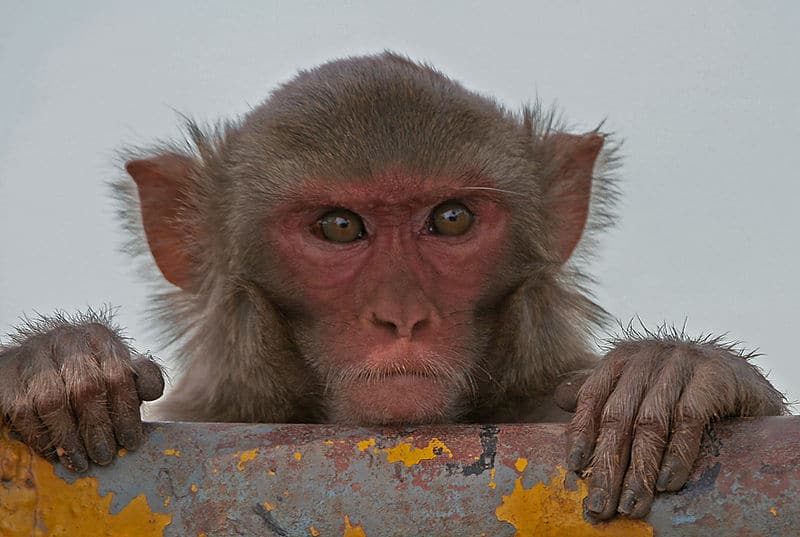
A study from the National Institutes of Health has shed more light on the efficacy of Gilead’s promising antiviral therapy remdesivir in the fight against COVID-19, showing that the drug was able to “significantly reduce” clinical disease and lung damage in rhesus macaque monkeys infected with the novel coronavirus SARS-CoV-2.
The study utilised the same dosing and treatment procedures as those applied to human patients hospitalised with COVID-19 in another large, multicentre study conducted by the NIH’s National Institute of Allergy and Infectious Diseases (NIAID). The monkeys were sorted into two groups of six, with one group to receive remdesivir and the other to remain untreated as a comparison group, before both groups were infected with the novel coronavirus.
The remedesivir group were intravenously given Gilead’s drug 12 hours later, timed specifically to coincide with the virus reaching its highest levels in the lungs of the monkeys. This was followed up with a daily intravenous booster for the following six days.
On examination 12 hours following the initial dose, the treated group were found to be in “significantly better health” than the untreated group; just one of the treated group’s animals was found to have mild difficulty breathing, compared to all six of the untreated group’s, which showed “rapid and difficult breathing”. Furthermore, the untreated group displayed significantly higher levels of the coronavirus in their lungs and with greater lung damage compared to the treated group. These trends continued throughout the study’s seven days.
Ultimately, the researchers argued that these findings support the use of remdesivir in COVID-19 patients at the earliest possible stage in order to maximise its therapeutic effect. However, while the results of the much-hyped therapy are promising and reinforce other positive data around its efficacy in treating COVID-19, it is important to note that the findings have so far not been peer-reviewed.
Matt Fellows
Related Content

Gilead’s HIV treatment meets primary trial endpoint
Gilead has announced positive topline results from its phase 3 ARTISTRY-2 trial, which evaluated a …

Gilead announces first shipments of HIV prevention drug to Eswatini and Zambia
Gilead has announced the first shipments of its HIV prevention drug lenacapavir to Eswatini and …
COVID-19 vaccine eligibility creates challenges for UK pharmacies
Pharmacists across England have reported widespread confusion among patients attempting to book COVID-19 vaccination appointments …