‘Game-changing’ hep C pill gets FDA panel nod
pharmafile | October 29, 2013 | News story | Sales and Marketing | FDA, Gilead, hep C, sofosbuvir
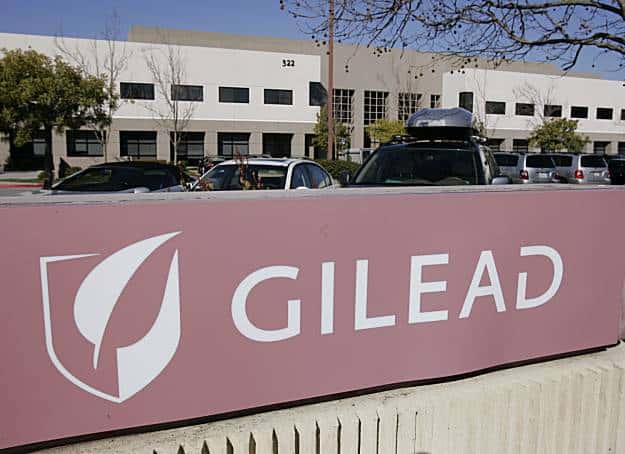
Gilead Science’s investigational hepatitis C drug sofosbuvir is one step closer to approval in the US after an FDA advisory panel unanimously backed the drug.
They voted in favour of approving the pill for patients with two variants of the disease, specifically genotype 2 and genotype 3.
Sofosbuvir could be the first all-oral treatment for these variants, removing the need for injectable interferon drugs which can cause debilitating side effects. The FDA panellists called the vote ‘historic’ and a ‘game-changer’.
The drug is being assessed under a priority review – the FDA should make a final decision on 8 December which is widely expected to be a positive one for Gilead.
Analysts on average expect the firm’s drug to generate sales of $1.73 billion in 2014, according to Thomson Reuters data.
Analysts at EP Vantage agree with the blockbuster status, adding that the drug represents an ‘all change’ approach in hep C as ‘expectations shift dramatically to sofosbuvir’.
Gilead acquired sofosbuvir, which works as a nucleotide analogue inhibitor, with its $11 billion purchase of Pharmasset last year.
New market
New hep c pills from Janssen/Vertex (Incivek) and Merck & Co (Victrelis) were both originally touted as blockbusters, but the bullish forecasts withered away as analysts began ramping-up expectations for the new regimens such as sofosbuvir and Janssen’s latest hep C pill simeprevir, which if approved may be free of interferon and its side effects.
Analysts EvaluatePharma says: “Our forecast archives reveal that the analyst community’s views of the hep C space pivoted quickly in the months after Gilead Sciences’ $11 billion gamble on sofosbuvir; it now looks as though 2012 and 2013 will be Incivek’s only two years as a blockbuster – an accolade Victrelis never even came close to earning.”
Bristol-Myers Squibb and AbbVie also both have advanced all-oral clinical trial programmes in late-stage development. These work by using a variety of ‘direct acting antivirals’, which directly interfere with the virus’s ability to replicate. But Gilead is widely seen to be in the lead in the development race.
All these pills are trying to replace the current injectable treatments such as Roche’s Copegus, which can lead to bad side effects and have limited efficacy.
About four million Americans have the disease which can cause liver cirrhosis, according to the National Institutes of Health. Hepatitis C can be passed through infected blood or body fluids, most commonly through needle-sharing by drug users.
Given these new drugs the market for hepatitis C drugs may reach more than $100 billion over the next decade, according to Bloomberg Industries.
Ben Adams
Related Content

EndoCyclic New Drug application approved by US FDA for endometriosis treatment
EndoCyclic Therapeutics’ Investigational New Drug (IND) application for its lead programme, ENDO-205, has been approved …

MRM Health’s ulcerative colitis treatment receives FDA Investigational New Drug clearance
Microbial Resource Management (MRM) Health has announced that its lead programme, MH002, has received Investigational …

Complement Therapeutics’ geographic atrophy treatment receives FDA Fast Track designation
Complement Therapeutics has announced that CTx001, its gene therapy treatment for geographic atrophy (GA) secondary …