Fresenius launches VR training for home dialysis in Germany
pharmafile | August 5, 2021 | News story | |
Fresenius has launched a virtual reality-based training programme, stay safe My Training VR, for people undergoing at home dialysis.
The VR system is designed for use in patients undergoing peritoneal dialysis, which uses the peritoneum in a person’s abdomen as the membrane through which fluid and dissolved substances are exchanged with the blood.
This form of dialysis is used to remove excess fluid, correct electrolyte balance, and remove toxins in people with kidney failure, and is relied upon by about 11% of the 3.7 million dialysis patients worldwide, according to Fresenius.
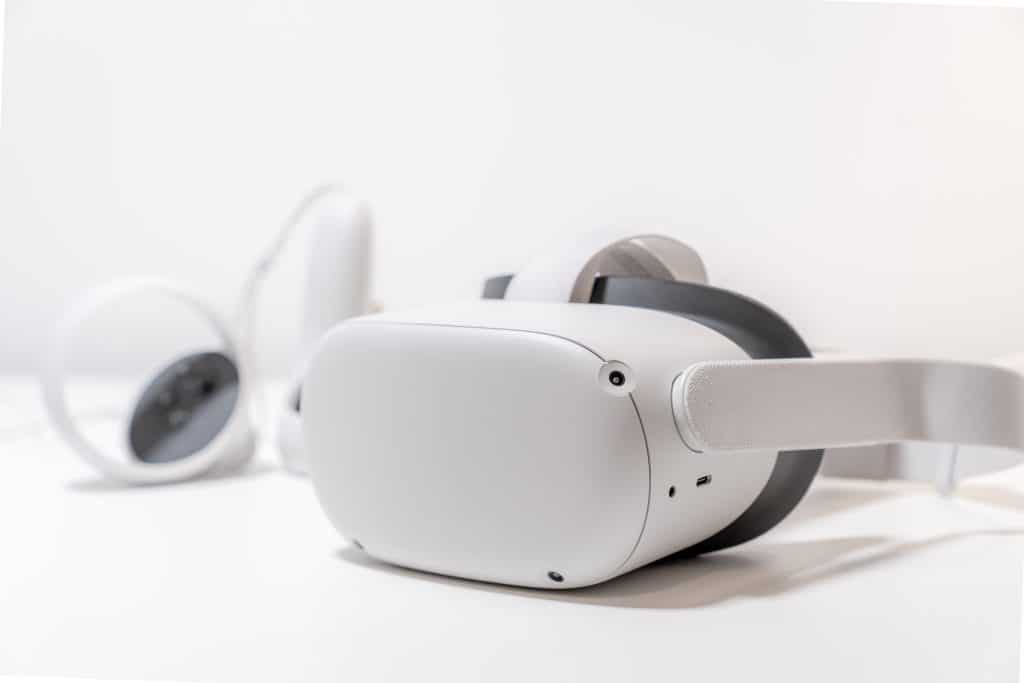
The VR programme consists of software modules, VR glasses, and a controller which are used to guide patients through the steps of the dialysis process, including hygiene practices, setting up and dismantling the dialysis apparatus, and bag changing.
The patients the system is designed for would have to exchange fluid up to four times a day by hand, and training for peritoneal dialysis can take between four to six weeks.
Christoph Hame, nursing manager at Fresenius’ NephroCare Germany dialysis unit, said: “The VR glasses block out outside stimuli, so the patients stay focused. They can move around in the virtual room and reach for things. With this playful learning, the content is held better in the memory.”
The system also enables nurses to train multiple people at once, freeing up time for other tasks, and the standardised approach means every patient receives the same information, delivered in the same way.
The global dialysis population is growing rapidly on the back of rising rates of irreversible kidney damage, as a result of the ageing population and increased prevalence of high blood pressure and diabetes.
Dr Katarzyna Mazur-Hofsäß, Chief Executive, EMA for Fresenius Medical Care, said: “We want to make home dialysis possible for ever more patients. Part of this is preparing them and their family members for the challenges and changes that come along with it. VR training…lowers their inhibitions and helps them with the decision on whether peritoneal dialysis at home is right for them.”
Kat Jenkins