EMA tightens conflict of interest rules
pharmafile | October 6, 2011 | News story | Research and Development, Sales and Marketing | EMA
The European Medicines Agency is tightening up its conflict of interest rules with a new ‘experts database’.
This will allow the public to search the declarations of interests of all experts nominated for medicines regulation roles at the EMA, and could see some excluded from reviewing certain drugs if they are found to have competing interests.
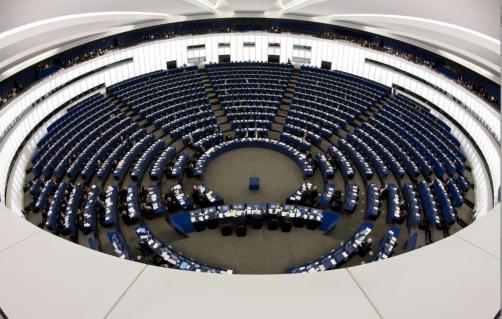
The EMA created this new system after the European Parliament expressed serious doubts over the Agency’s conduct, notably with its rules on conflicts of interest.
So serious were they that in May this year the Parliament refused to sign off the Agency’s 2009 budget until it tidied up its procurement procedures and addressed problems with its staff.
This decision was prompted by the actions of the Agency’s former head Thomas Lonngren, who joined pharma consultancy firm NDA within weeks of leaving his post, creating unease in Europe about how the EMA dealt with conflicts of interest.
The Parliament’s budgetary committee said the EMA has now “taken action to remedy shortcomings in its management of the 2009 budget”, but it said “some concerns remain”.
These were partly focused on the EMA’s conflicts of interest rules, and the regulator hopes its new database will ease the Parliament’s concerns.
Searchable database
The EMA now classifies conflicts of interests into three categories: direct, indirect and no interests, and from this week experts will provide a signed declaration of interests form detailing any direct or indirect financial or other interests that could affect their independence.
The declarations of interest are displayed on the Agency’s new website as submitted by the experts.
The new database contains the names of around 5,000 experts, with new declaration of interest forms for around half of them – the rest are expected to be published over “the coming weeks and months”, the EMA said.
On the basis of these declarations of interests, the Agency will then make a decision on whether or not to include an expert as a member of a working party or other group.
If an expert is shown to be high risk – i.e., having direct financial involvement with a company whose drug they are reviewing – that expert may be restricted or even excluded under the new rules.
In areas where conflicts of interests may limit the availability of experts, such as in relation to some rare diseases, the Agency said it would look for alternative experts from academia and societies.
Ben Adams
Related Content

Rethinking oncology trial endpoints with generalised pairwise comparisons
For decades, oncology trials have been anchored to a familiar set of endpoints. Overall survival …

NICE issues positive final guidance for treatment of Duchenne Muscular Dystrophy from Santhera
Santhera Pharmaceuticals has received positive final guidance from the National Institute for Care and Excellence …

Eplontersen recommended for EU approval by CHMP for treatment of hereditary transthyretin-mediated amyloidosis
Wainzua (eplotersen), produced by AstraZeneca and Ionis, has been recommended for approval in the European …