Drug regulators protect profits over patients, new study finds
pharmafile | May 11, 2011 | News story | Research and Development | Bad Science, Vioxx, regulatory affairs
Medicine regulators are protecting drug company profits over the welfare of patients by withholding trial data.
That’s the verdict of a team of Danish researchers who want complete access to full trial reports – both published and unpublished – made available to allow the true benefits and harms of treatments to be assessed by the scientific community.
Writing in the British Medical Journal the researchers say that despite the existence of hundreds of thousands of clinical trials doctors are unable to choose the best treatments for their patients because results are reported selectively.
This distorts the picture of how well a drug works by leaving many negative trial results are unpublished and, they say, tacitly protecting pharma companies.
Professor Peter Gøtzsche and Dr Anders Jørgensen from the Nordic Cochrane Centre in Denmark say this use of selective reporting can have disastrous consequences.
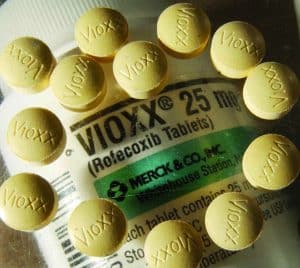
They give the example of Merck’s Vioxx (rofecoxib), which is thought to have caused around 100,000 unnecessary heart attacks in the US alone.
They also point to the older generation of anti-arrhythmic drugs that they say have potentially caused the premature death of about 50,000 Americans each year in the 1980s.
Struggle for access
This must be remedied, they say, and describe a three-year struggle to access unpublished trial reports for the obesity drugs orlistat (the key ingredient in both Roche’s prescription drug Xenical and GlaxoSmithKline’s OTC brand Alli) and rimonabant (Sanofi-Aventis’ Acomplia). The reports had been submitted by the manufacturers to the EMA as part of the European marketing approval process.
“The information was important for patients because anti-obesity pills are controversial,” say Gøtzsche and Jørgensen.
“People have died from cardiac and pulmonary complications or have experienced psychiatric disturbances, including suicidal events, and most of the drugs have been de-registered for safety reasons.”
The authors contacted the EMA but the regulator refused access to the clinical trial data for the drugs, arguing that this would undermine commercial interests and that there was no overriding public interest in disclosure.
The authors appealed to the European ombudsman, who criticised the EMA’s refusal to grant access, forcing the regulator to widen public access to documents.
“There is something fundamentally wrong with our priorities in healthcare if commercial success depends on withholding data that are important for rational decision making by doctors and patients,” say Gøtzsche and Jørgensen.
They are now calling on other drug regulatory agencies to follow suit and suggest that access to documents should be made quicker and easier for scientific scrutiny.
“Drug agencies should get rid of the huge paper mountains and require electronic submissions from the drug companies, including the raw data, which should also be made publicly available,” they conclude.
Long-standing problem
This is not the first time there have bee calls for greater access to information from the EMA.
In October last year German researchers unearthed a mountain buried data from Pfizer’s antidepressant reboxetine that suggested the drug was ‘ineffective and potentially harmful’.
They believe this conclusion had been hidden from doctors because the EMA didn’t publish all the data it was sent, and called on the regulator to make publication of all trials mandatory to stop this from happening again.
But the regulator is making some strides towards openness and in March this year, the EMA launched its new clinical trial database to allow greater public access to trial data.
Ben Adams
Related Content

Europe vs USA: New drug approvals
Dr Terese Johansson, Regulatory Affairs Consultant NDA Group AB, examines the drop in US approvals …
EMA backs full access to trial data
The European Medicines Agency says it wants to open up access to full clinical trial …
Merck pays $37m to settle Canadian Vioxx claims
Merck will pay a maximum of C$37 million to settle all claims against its painkiller …