Diabetes drugs show promise in Alzheimer’s
pharmafile | January 17, 2011 | News story | Research and Development | Alzheimer's, Alzheimer’s, Byetta, Novo Nordisk, Victoza, diabetes, exenatide, lilly, liraglutide
Research suggests that new diabetes drugs enhance cell growth in the brain, and could help treat Alzheimer’s disease.
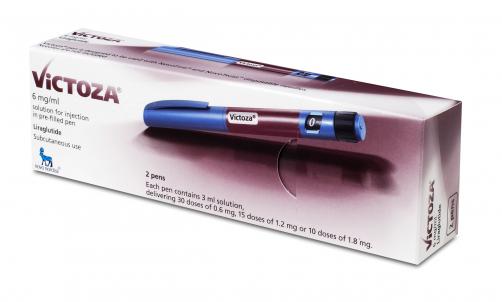
Researchers at the University of Ulster in Coleraine funded by research charity the Alzheimer’s Research Trust, studied the effects of two drugs – Novo Nordisk’s Victoza (liraglutide) and Lilly’s Byetta (exenatide) – as part of an investigation into the link between diabetes and Alzheimer’s disease.
The drugs mimic a hormone called GLP-1, which helps the body produce insulin. But the team at Ulster, led by Dr Christian Hölscher, found that in mice with diabetes, the drugs also stimulated the growth of new brain cells.
They now hope their findings, published in the Journal of Neuroscience Research, could help scientists in the search for a potential treatment for Alzheimer’s.
Further research by the same team found that in mice with Alzheimer’s, liraglutide enhanced brain cell growth and reduced the build-up of a protein called amyloid in the brain – a key feature of the disease – as well as protecting the formation of memories.
Dr Hölscher, who presented his latest findings at the prestigious Society for Neurosciences annual meeting, said: “It has been known for some time that diabetes is a risk factor for developing Alzheimer’s disease, and we know that in diabetes, the growth and replacement of cells in the brain are compromised, putting the brain at risk of further damage.
“We are very excited about our results, which show that these drugs are able to enter the brain, where they can help protect and replace cells. Because the drugs are already approved for use in people, this is a rich field for future research, and we would now like to see clinical trials to test the effects of these drugs in people with Alzheimer’s.”
Dr Simon Ridley, head of research at the Alzheimer’s Research Trust, said: “The link between diabetes and dementia is well-known, and these encouraging results suggest a need for further investigation to see whether these drugs could be helpful in Alzheimer’s.
“We need to see the results of clinical trials before we can know if the effects seen in this study will be seen in people, and this only serves to highlight the need for more research.”
Andrew McConaghie
Related Content

FDA approves Wegovy for treatment of MASH in adults with liver fibrosis
The US Food and Drug Administration (FDA) has granted accelerated approval for Wegovy (semaglutide) as …

BioMed X and Novo Nordisk partner on oral peptide drug delivery innovation
BioMed X has announced a new collaboration with Novo Nordisk to improve oral delivery of …

Lilly’s drug for early Alzheimer’s shows promising results
Eli Lilly (Lilly) has announced positive new data from the long-term extension of its phase …