Crestor study has ‘profound implications’ for NICE guidance
pharmafile | November 14, 2008 | News story | Sales and Marketing | Crestor, cv, lipid
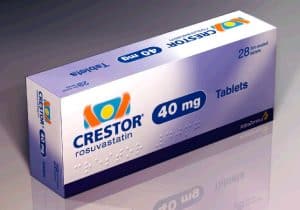
AstraZeneca's statin Crestor made national headlines this week when it was shown to dramatically reduce major cardiovascular events.
New data from the JUPITER trial showed a 20 mg dose caused a 44% fall compared to placebo.
The trial could have a major impact on the way statins are used on the NHS, but it is not certain that Crestor alone would reap all the benefits.
The British Heart Foundation's medical director Professor Peter Weissberg said: "The JUPITER findings raise questions about who should receive treatment to prevent a heart attack, how aggressively they should be treated and with which drug.
"These important issues have profound implications for future NICE guidelines."
In the trial patients had low to normal LDL-C but an increased cardiovascular (CV) risk as identified by elevated high-sensitivity C-reactive protein and age.
Weissberg said that further studies were required to determine if measuring the C-reactive protein is the right way to identify people likely to gain most from treatment.
But he conceded: "This research adds to the body of evidence that statins work, and that the lower your cholesterol level, the lower your risk of a heart attack or stroke."
"It strongly supports the 'lower is better' approach to cholesterol management."
Major CV events were defined as the combined risk of myocardial infarction, stroke, arterial revascularisation, hospitalisation for unstable angina, or death from CV causes.
Treatment was associated with a very low incidence of myopathy, the commonest side effect of statins.
But the drug was well-tolerated in only around half of the study's 17,800 patients, and in most countries the usual recommended starting dose of Crestor (rosuvastatin) is 10 mg – half that used in the study.
Perhaps most importantly, Crestor was compared to placebo rather than to a competitor such as Pfizer's mega-brand Lipitor.
Most patients also had at least one other risk factor including hypertension, low HDL-C, family history of premature coronary heart disease or smoking.
However, the JUPITER study is the first to show that Crestor reduces heart attacks even in people whose cholesterol is not raised.
"These results provide new information about Crestor's effects on CV risk," said Howard Hutchinson, AstraZeneca's chief medical officer.
"As is appropriate, the medical community, regulators, and guideline committees will now carefully consider these data and any implications for treating patients."
Crestor is not currently indicated for the prevention of cardiovascular events and AstraZeneca expects to file a regulatory submission including the JUPITER data in the first half of next year.
Related Content

Grünenthal buys European rights to AstraZeneca’s Crestor for a potential $350m
Grünenthal has picked up AstraZeneca’s statin therapy Crestor (rosuvastatin), currently approved in dyslipidaemia and hypercholesterolaemia …
AstraZeneca loses legal bid to block Crestor generics
A US district court judge has refused AstraZeneca’s request for a temporary restraining order blocking …

AstraZeneca files suit to block FDA from approving copies of cholesterol drug Crestor
Anglo-Swedish drug firm AstraZeneca (LSE: AZN) has filed a temporary restraining order to prevent the US …