Councils given £2.2 billion for public health
pharmafile | January 25, 2012 | News story | Research and Development, Sales and Marketing | Lansley, NHS, public health outcomes framework
The government’s new vision for public health has come under fire from observers worried that accountability for the strategy remains hazy.
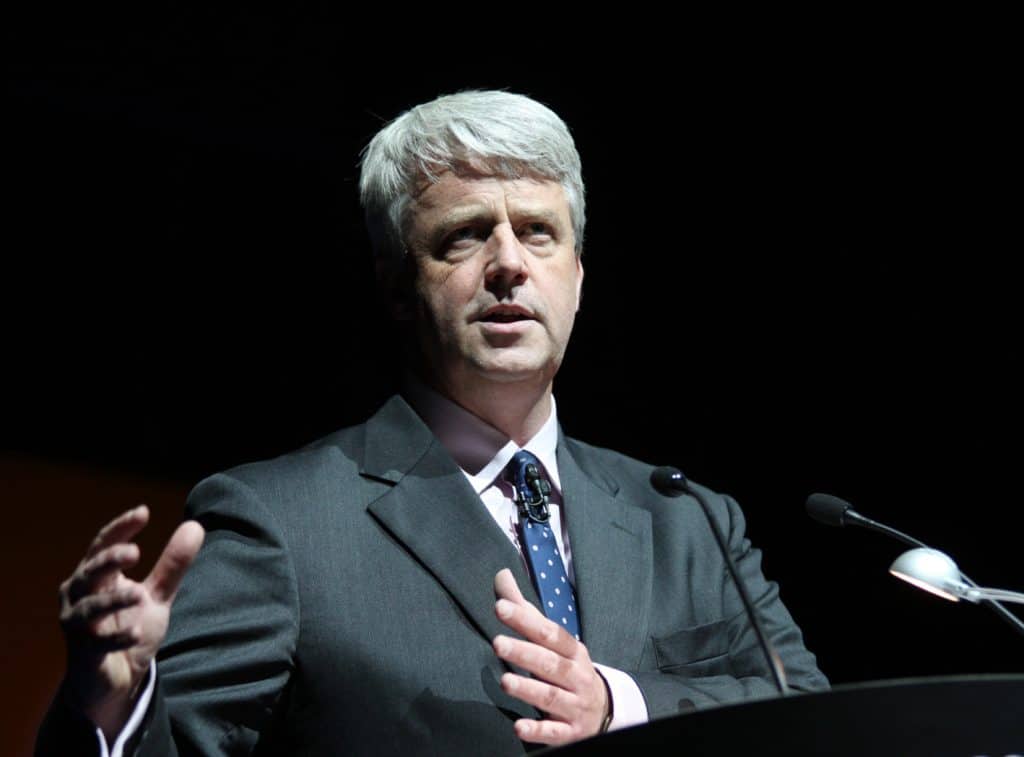
From April 2013 local councils will take responsibility for public health – something that has not been part of their remit for three decades – under plans announced by health secretary Andrew Lansley.
The Public Health Outcomes Framework, published this week, has two overarching aims: to increase healthy life expectancy and to reduce the differences in life expectancy between communities.
Councils will receive £2.2 billion from a ring-fenced budget, and can spend it on what they consider to be the most important public health concerns. This is taken from a total budget of £5.2 billion for public health, with the rest being spent by commissioning groups, public health England and the Department of Health.
Those councils that perform well will receive bonus payments.
Healthy lives, healthy people: Improving outcomes and supporting transparency says local authorities’ success will be judged against 66 performance indicators, which range from weight loss and smoking cessation, to tooth decay and cancer screening.
Other areas with an impact on public health, such as school attendance, homelessness and air pollution, will also be included.
“We are giving local councils the money, the power, the right expertise and information to build healthier communities,” Lansley explained. “Using the framework we have published today, local professionals will be able to make real changes to improve health.”
But some groups are concerned: the King’s Fund says Lansley’s announcement brings ‘welcome clarity’, but warns that the framework’s success hinges on who is actually responsible for implementing the government’s plans.
“Further work is needed to align governance and accountability for delivery to ensure that the NHS and local authorities are pulling in the same direction,” says David Buck, senior fellow on public health.
And while the think tank is broadly in favour of the plans, it is concerned that “publishing data alone will not be enough”.
“The key tests of whether ministerial rhetoric on public health is matched by reality will follow in the next few weeks, with the announcement of how shadow budgets will be allocated to local authorities and the publication of the alcohol strategy,” Buck concludes.
A new body, Public Health England, will be set up to “deliver support and enable improvements in health and wellbeing in the areas set out in this outcomes framework”, the Department of Health says.
The NHS will also deliver some public health services, but local councillors will be responsible for “leadership for public health at the local level”.
Shadow public health minister Diane Abbott said the government “has not demonstrated how it can effectively ring-fence the money and stop cash-strapped councils from diverting the funds to related issues like social care”.
Adam Hill
Related Content
Under-Secretary of State for Health Innovation and Safety visits new building on University of Huddersfield’s NHIC
Dr Zubir Ahmed MP, the Under-Secretary of State for Health Innovation and Safety, has visited …

Digital mental health technologies – a valuable tool in supporting people with depression and anxiety
The potential benefits of digital mental health technology for managing depression, anxiety and stress, together …

A community-first future: which pathways will get us there?
In the final Gateway to Local Adoption article of 2025, Visions4Health caught up with Julian …