Cervarix was the ‘wrong decision’ for the UK
pharmafile | December 6, 2011 | News story | Sales and Marketing |
The UK government’s choice to use GlaxoSmithKline’s Cervarix for its HPV vaccination programme was the ‘wrong decision’, according to a leading GP.
Dr Phil Hammond, a GP and Private Eye columnist, has told Pharmafocus that the Labour government should not have awarded GSK the contract to vaccinate young girls from the human papillomavirus, which causes 70% of all of cervical cancers.
Dr Hammond said: “I think [using Cervarix] was the wrong decision. Vaccinations should be as multipurpose as possible, so if you can also provide protection not just against cervical cancer, but also against genital warts, anal and oral cancers and recurrent respiratory papillomatosis, why wouldn’t you?”
He added that the decision to use Cervarix in 2008 could “only have been down to money,” as GSK is believed to have offered its drug at a much cheaper rate than other HPV vaccinations.
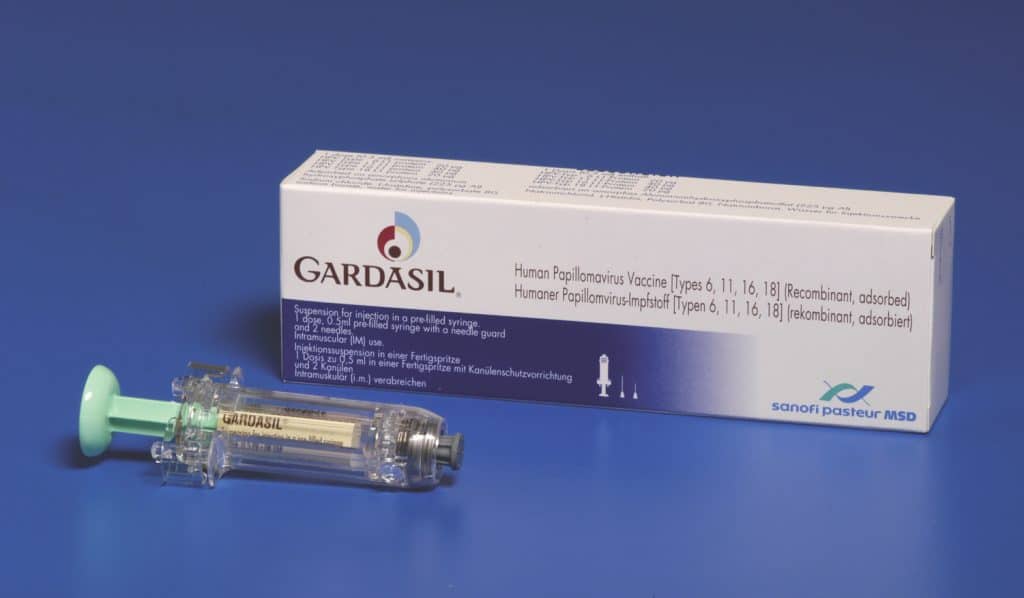
His comments come as the coalition government has decided to award the new four-year vaccination contract to Sanofi Pasteur MSD’s drug Gardasil.
Gardasil gives a wider range of protection than GSK’s drug by preventing infection from four HPV strains and anogenital warts, as well as some forms of oral and anal cancers caused by HPV.
Cervarix only protects against two types of HPV strains and not against any form of genital warts.
GSK told Pharmafocus that it had decided not to bid for a new contract as the government’s emphasis was now on the prevention of genital warts as well as cervical cancer.
“GSK will not participate in tenders where the specifications mean that it cannot effectively compete without undermining the value of our vaccines,” the firm said.
Health groups have welcomed the news, with GPs’ group the British Medical Association saying: “The latest evidence shows that Gardasil has superior public health benefits and is more cost-effective [than Cervarix].”
The BMA added that recent research indicated that Gardasil could help toward eradicating genital warts in the UK heterosexual population within 20 years.
Need for greater transparency
Dr Hammond said that he was happy for the vaccination programme to be re-assessed every four years, but warned that both the government and pharma need to be more open about the financial details of these deals.
“Tender is a good way of re-evaluating the evidence as it accrues. If a better vaccine comes along in four years, use that, but base all your decisions on the best available evidence.
“[But] the government must be absolutely transparent about precisely where all NHS spending goes, and those entering into contracts with the government should agree to this information being made public.
“We need transparency in both clinical and financial outcomes to improve the NHS,” he added, as currently the public is not privy to how much these deals will cost the UK taxpayer.
Ben Adams