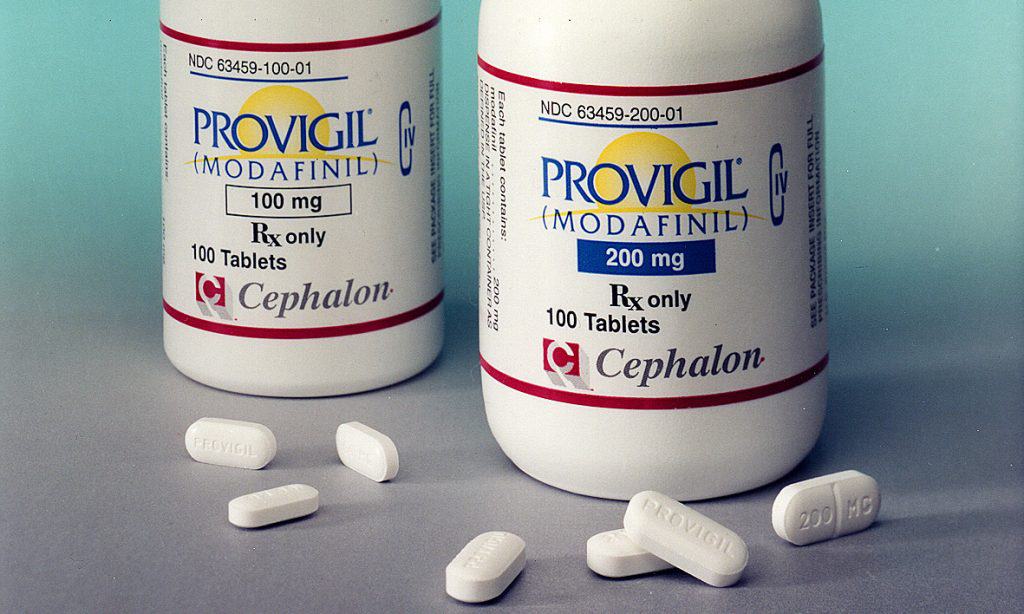
Cephalon posts strong figures
pharmafile | February 12, 2010 | News story | Sales and Marketing | 2009 financials, Cephalon
US–based specialty pharma company Cephalon, best known for its sleep disorder treatment Provigil, has posted an 11% increase in sales to $2.2 billion.
Sales of Provigil (modafinil) rose 4% to $1 billion, slowly slightly as patients moved over follow-up product Nuvigil, which contributed $73.4 million to the figures.
There was growth last year from Cephalon’s oncology portfolio, whose $335 million sales were driven by strong demand for non-Hodgkin’s lymphoma (NHL) and chronic lymphocytic leukemia treatment Treanda.
Cancer pain treatment Actiq didn’t fare so well, dropping from $176,521 to $146,945 due to fears over safety after a small number of severe side effects and related deaths were reported in 2009. Overall sales of the company’s pain treatment portfolio dropped 3% to $485,089.
Adjusted net income rose 28% to $469 million and commenting on the year’s results chief executive Frank Baldino, Jr, said: “2009 was a year of extraordinary innovation and growth.
“For the year we reported positive clinical study results on several of our drug candidates, advanced five new compounds into man and continued to acquire promising assets. We continue our steadfast commitment to patients while building an enduring, diversified business for our shareholders.”
This year Cephalon hopes to increase sales to $2.6 – $2.6 billion, including central nervous system franchise sales of $1.18-1.2 billion, pain franchise sales of $495-530 million, oncology franchise sales of $440-470 million, and other product sales of $470-490 million.
The forecast, which assumes Cephalon will close its acquisition of generic company Mepha on 1 April, has adjusted net income finishing the year in the range $518-533 million.
Related Content
Teva denies wrongdoing in Cephalon pay-to-delay deal hearing
Teva has denied allegations from the European Commission (EC) that it engaged in illegal anti-competitive …

Mylan pays $96.5 million to settle pay-for-delay case
Mylan has agreed to pay $96.5 million in order to settle an antitrust case. The …
Teva settles generic ‘pay-to-delay’ case for $1.2 billion
Teva Pharmaceuticals has agreed to a $1.2 billion settlement for paying generic drug makers to …