Cancer drug discovery system ‘broken’
pharmafile | October 24, 2014 | News story | Research and Development, Sales and Marketing | Cancer, cancer research, oncology, paul workman
The global system for discovering new cancer drugs is ‘broken’ and failing to turn scientific advances into enough innovative new medicines.
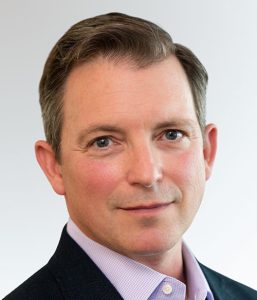
This is according to Professor Paul Workman, the interim chief executive of The Institute of Cancer Research in London.
Speaking at the World Oncology Forum hosted today, Workman said that big leaps forward in cancer treatment are now possible – but only with major changes to the model for discovering and developing drugs.
In his keynote lecture, Workman – one of the world’s leading experts in cancer drug discovery – adds that concerted action was needed by governments, pharma companies, regulators and academic institutions to fix a system that was failing to take the risks needed to deliver exciting new treatments.
He told the summit in Lugano, Switzerland, that drugs were only available for 5% of the 500 known cancer drug targets – and that far more were needed to deliver the combination treatments that are essential to overcome the major problem of cancer evolution and drug resistance.
The World Oncology Forum – only the second to have been organised – brings together 50 global leaders in cancer research and treatment in order to come up with policy recommendations designed to improve treatments across the world.
Workman said that the overall ‘ecosystem’ of pharmaceutical companies, academic institutions, government and regulators was far too risk averse, mostly tending to work in the same areas of research and producing ‘me too’ drugs, similar to others on the market – rather than genuinely new and innovative medicines.
He argued: “There have been some impressive advances in the personalised treatment of cancer, but overall progress has failed to keep pace with the dramatic advances over the last 20 years in our knowledge about cancer biology and genetics. We could, and should, be doing much better.”
He adds: “It is my contention that the whole model of cancer drug discovery – in which private companies and academia should be working together to take the most exciting, innovative new drugs to patients – is broken and in need of help.
“We need to be looking beyond low-hanging fruit when it comes to drug discovery and to focus our efforts on more novel drug targets to produce really innovative drugs that tackle major unmet needs in cancer. I see our broken model of drug discovery and development as the biggest challenge in our efforts to get exciting and game-changing new drugs to patients.
“Until we fix it, we will not see the number of really innovative treatments – capable of making a big impact on the lives of patients – that we should be expecting.”
He believes the key to driving faster progress in cancer treatment is by incentivising private companies, and the academic organisations that work with them, to take the risks they need to take to discover the truly innovative treatments of the future.
“In return, pharmaceutical companies will need to accept that they are receiving help from governments, regulators and health services, and they can’t expect to set prices that squeeze every penny of possible profit from those same public institutions,” he explains.
Ben Adams
Related Content

BMS’ Opdivo/Yervoy combination accepted by Scottish Medicines Consortium for colorectal cancer
Bristol Myers Squibb (BMS) has announced that its Opdivo (nivolumab) has been accepted, in combination …

Astellas Pharma’s Vyloy accepted by Scottish Medicines Consortium for gastric cancer
Astellas Pharma, a pharmaceutical company creating medicines to address unmet medical needs, has announced that …

Rethinking oncology trial endpoints with generalised pairwise comparisons
For decades, oncology trials have been anchored to a familiar set of endpoints. Overall survival …