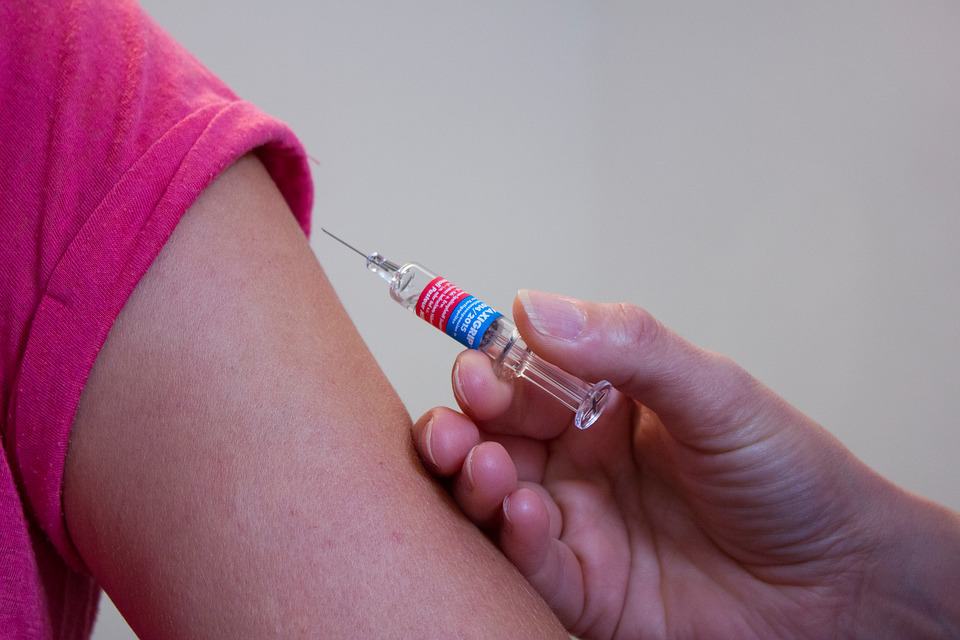
BioNTech’s melanoma vaccine shows promise in early interim analysis
pharmafile | July 30, 2020 | News story | Research and Development | BioNTech, Cancer, pharma
While the company has more recently drawn headlines for its COVID-19 efforts, BioNTech has unveiled promising interim Phase 1 data for its mRNA-based cancer vaccine BNT111, the most advanced of the company’s five FixVac candidates, in patients with stage 3 B-C and stage 4 melanoma.
Through analysis of repeated intravenous doses ranging from 7.2µg to 400µg, the company said that the therapy “mediates durable objective responses” both as a monotherapy and in combination with PD-1 checkpoint blockade.
The trial examined the therapy’s efficacy in a subset of 42 checkpoint-inhibitor (CPI)-experienced melanoma patients assessed by imaging of metastatic lesions before and after vaccination. BioNTech said that vaccination “resulted in the expansion and activation of circulating tumour-antigen-specific T cells with memory-function that exhibited strong cytotoxic activity against tumour cells.”
These T cells were also shown to exhibit a Th1 phenotype, and, with continuous monthly vaccination, persisted for over a year.
At the time of analysis, three of the 25 patients receiving BNT111 alone saw a partial response, seven saw their disease stabilise, and one patient achieved complete metabolic remission of metastatic lesions. Furthermore, six of the 17 patients receiving BNT111 in combination with anti-PD-1 achieved a partial response.
The company said that the candidate was well tolerated with no dose limiting toxicity. It is currently also progressing FixVac candidates through Phase 1 studies in prostate, ovarian and triple negative breast cancer, as well as HPV16-positive cancers.
Matt Fellows
Related Content

LGC Group opens $100M Organic Chemistry Synthesis Centre of Excellence
LGC Group, a life sciences company, has opened its new Organic Chemistry Synthesis Centre of …

Central nervous system cancer metastases – the evolution of diagnostics and treatment
The current forms of immunotherapy, how T cell therapy works and what the future holds
BioMed X and Servier launch Europe’s first XSeed Labs to advance AI-powered antibody design
BioMed X and Servier have announced the launch of Europe’s first XSeed Labs research project, …