Benlysta once again rejected by NICE
pharmafile | July 25, 2013 | News story | Sales and Marketing | Benlysta, GSK, NHS, NICE
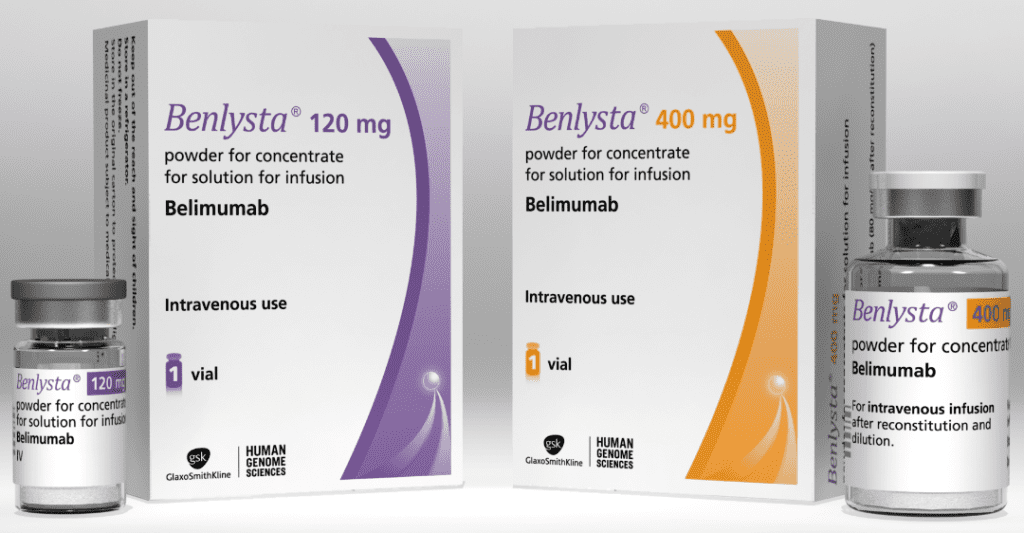
NICE has opened a second public consultation for GSK’s lupus drug Benlysta after the Institute has again rejected the medicine as too costly for the NHS.
In the new draft guidance, Benlysta (belimumab) is not recommended as an add-on therapy in adults with active, autoantibody-positive systemic lupus erythematosus with a high degree of disease activity despite standard therapy.
This is the second appraisal of Benlysta, after an appeal on the previous final draft guidance, which also rejected the drug, was upheld in 2012.
In a highly usual move, NICE’s preliminary decision will be put out to public consultation again so that GSK, healthcare professionals and members of the public will be able to comment on the appraisal.
There is a second consultation due to the strength of feeling around the drug, which is the first new treatment for lupus in decades and the only patented treatment for the disease in the world.
NICE said in a statement that comments received during this consultation “will be fully considered by the Committee”. The consultation is open until 13 August.
Glaxo has dropped the price of the medicine but the size of the discount will not be released to the public. Its current price tag stands at £769.50 per administration.
NICE said, however, that even with the discount uncertainties in the evidence submitted by GSK still meant that it broke the £30,000 QALY threshold for drugs, meaning it could not find Benlysta cost effective.
Not a good use of NHS resources
Sir Andrew Dillon, NICE’s chief executive, said: “We understand that it will be disappointing that this draft guidance doesn’t recommend belimumab; this draft decision is because the evidence considered did not persuade the Committee that belimumab was good value for money compared with standard care.”
Sir Andrew said that some patients currently receive Roche’s autoimmune drug MabThera (rituximab) to treat their lupus, and NICE said they considered it appropriate to compare Benlysta with Roche’s drug, even although it isn’t licensed for this use.
But Sir Andrew has said there was no reliable data to compare the drugs, and ‘no sound case’ could be made to show that Benlysta was more cost effective than MabThera in this setting.
He concluded: “Whilst recognising the severity of the disease, the Committee concluded that based on the evidence presented, belimumab could not be considered a good use of NHS resources. We welcome comments on this draft recommendation as part of the consultation.”
SLE is an incurable autoimmune condition which mainly affects women, with the condition being more common in women of African Caribbean origin than any other group.
In SLE, the whole body is affected as the immune system attacks healthy tissue and organs, and can lead to serious organ damage – for example to the kidneys and heart. It is complex, poorly-understood and can be difficult to diagnose as symptoms can be similar to other more common conditions.
Standard therapy for the disease is likely to consist of non-steroidal anti-inflammatory drugs, corticosteroids, and/or immunosuppressants.
There are currently around 15,000 people in England and Wales with SLE, with around 90% of cases occurring in women.
Poor sales
Benlysta has gotten off to a slow start. In GSK’s second quarter results released yesterday afternoon, the drug only managed to make £67 million, despite gaining FDA approval in March 2011 and initially touting blockbuster potential.
The drug, made in conjunction with recently acquired Human Genome Sciences for $3 billion, has started to see questions from analysts over just how effective the drug is at treating lupus. This uncertainty seems to be taken by doctors, who have been reluctant to use the medicine.
This also rounds off a tough week for the London firm, as its recent results showed only a modest 1% growth in its pharma business. The ongoing bribery case in China is also still dogging GSK, and this new rejection from NICE will make this a week to forget for the company.
Ben Adams
Related Content
Under-Secretary of State for Health Innovation and Safety visits new building on University of Huddersfield’s NHIC
Dr Zubir Ahmed MP, the Under-Secretary of State for Health Innovation and Safety, has visited …

Digital mental health technologies – a valuable tool in supporting people with depression and anxiety
The potential benefits of digital mental health technology for managing depression, anxiety and stress, together …

GSK’s Exdensur receives MHRA approval for asthma and rhinosinusitis
GSK’s Exdensur (depemokimab), a twice-yearly biological medicine, has received approval from the UK Medicines and …