Avastin shows brain cancer benefit
pharmafile | November 20, 2012 | News story | Research and Development, Sales and Marketing | Cancer, FDA, Merck, Roche, avastin, brain
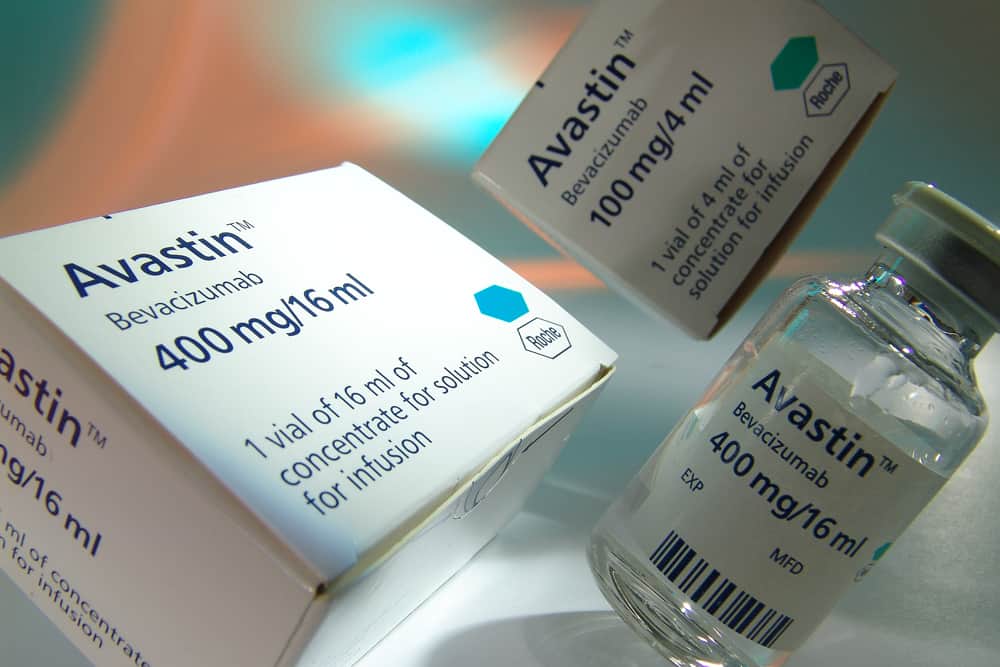
In a Phase III trial, Roche’s Avastin has helped people with newly-diagnosed glioblastoma (GBM) live longer without their disease worsening.
Glioblastoma (GBM) is the most common and aggressive type of glioma, which is in turn a prevalent type of malignant primary brain tumour.
Around 240,000 people worldwide are diagnosed with GBM every year and their tumours have high levels of vascular endothelial growth factor (VEGF).
This makes them a logical target for Avastin (bevacizumab), which also has licences to treat kidney and lung cancers.
Data from the AVAglio study, presented at the Society for Neuro-Oncology meeting in Washington DC, showed Avastin in combination with radiation and temozolomide chemotherapy increased progression-free survival (PFS) by 56% in GBM patients.
Median PFS for people with newly-diagnosed GBM who received the combination was 10.6 months versus 6.2 months for those who had radiation and chemotherapy plus placebo.
The data puts more flesh on the bones of Roche’s announcement about Avastin in GBM a few months ago: but final overall survival (OS) figures are expected next year – interim results did not reach statistical significance, Roche said.
Secondary endpoints included a one-year survival rate of 72% for the Avastin arm against 66% for the placebo arm.
Avastin is currently approved in almost 40 countries worldwide for the second-line treatment of GBM as a single agent, with the US giving it the go-ahead under its accelerated approval programme.
But it has no licence for that indication in Europe after the EMA found it had little benefit. Hal Barron, Roche’s chief medical officer, said the company would discuss the new data on Avastin with regulators.
The drug brought in over $6 billion last year but its sales have dipped after the FDA revoked its breast cancer licence, wiping off around $1 billion in sales.
But it does have a European indication for ovarian cancer and Roche will hope to extend its US licence to become a first line treatment in GBM in the wake of AVAglio, while using the new results to persuade the EMA to think again about this patient group.
It is sure to face competition: Actelion’s dual endothelin receptor antagonist Macitentan is being investigated in in patients with recurring GBM.
And Merck KgaA’s Phase III CENTRIC study is assessing investigational drug cilengitide with radiotherapy plus temozolomide again as a first-line treatment for GBM.
Adam Hill
Related Content

Roche adds 2,176 NVIDIA Blackwell GPUs to its hybrid-cloud AI factory
Roche has expanded its global AI infrastructure with a NVIDIA AI factory, adding 2,176 high-performance …

EndoCyclic New Drug application approved by US FDA for endometriosis treatment
EndoCyclic Therapeutics’ Investigational New Drug (IND) application for its lead programme, ENDO-205, has been approved …

MRM Health’s ulcerative colitis treatment receives FDA Investigational New Drug clearance
Microbial Resource Management (MRM) Health has announced that its lead programme, MH002, has received Investigational …