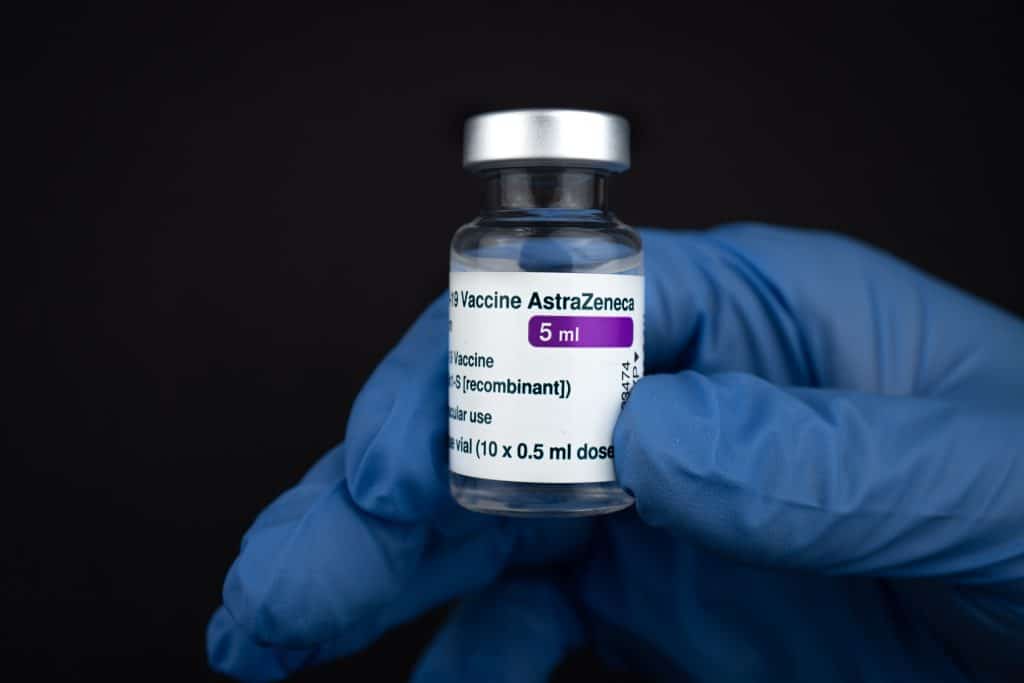
AstraZeneca COVID-19 vaccine’s short shelf life inhibits rollout to poor countries
pharmafile | February 16, 2022 | News story | Research and Development |
According to officials and WHO documents, the short shelf life of the AstraZeneca COVID-19 vaccine is complicating the rollout to the world’s poorest nations.
This throws a spanner in the works of the COVAX vaccine-sharing project, co-led by WHO, and aimed at distributing and administering vaccines to those who are most in need.
Initially, poorer countries and COVAX lagged behind richer countries in securing vaccine supplies, because wealthier nations used their financial abilities to acquire the first available doses.
As vaccine production accelerated, and wealthier countries began donating excess doses, some countries – particularly in Africa – now struggle to administer the big shipments.
There is a need to turn down vaccines with short shelf lives, along with the initial inequality. This has led to an alarmingly low rate of vaccination in Africa, where only roughly 10% of the population have been immunised, compared with over 70% in richer nations.
A spokesperson for AstraZeneca said that vaccines have to undergo rigorous quality checks. Including donations from wealthy countries, more AstraZeneca vaccines have been distributed by COVAX than any other shot. “AstraZeneca has supplied 2.6 billion vaccine doses globally, approximately two thirds of which have gone to low and lower middle-income countries.”
A spokesperson also said that AstraZeneca is currently in discussions with WHO, to extend the shelf life of the vaccine. However, the company said that the process is complex due to its vast global network of companies manufacturing its vaccine.
Lina Adams