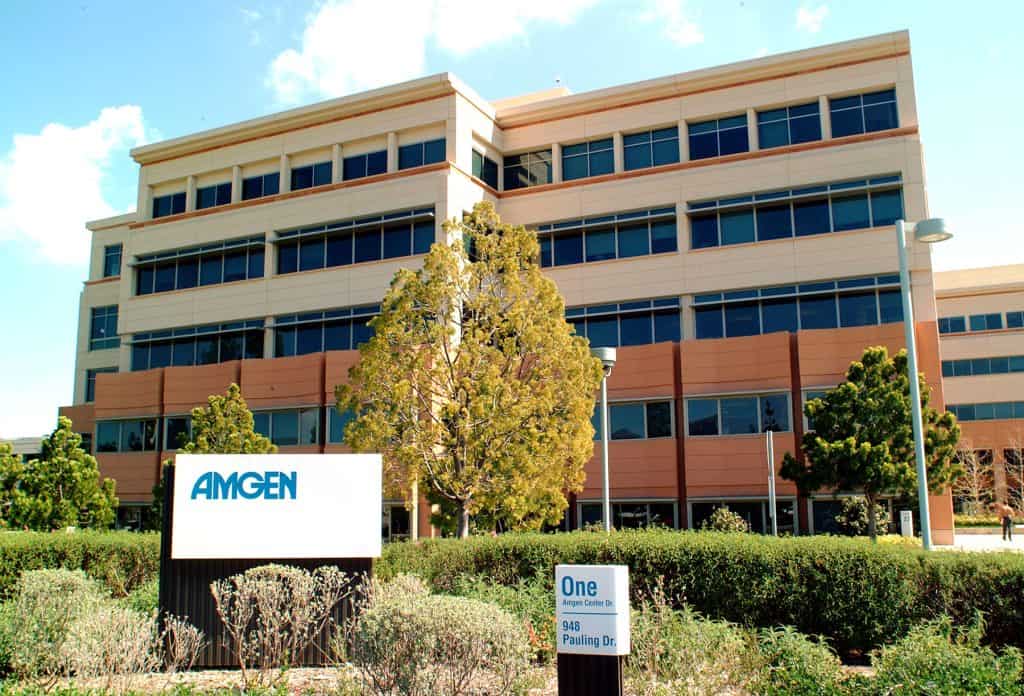
Amgen collaborates on cancer antibody research
pharmafile | July 13, 2011 | News story | Research and Development | Amgen, Cancer, TGF-beta monoclonal antibody, research and development news
Amgen has teamed up with German biotech Micromet to develop tumour-destroying antibodies in a two-year deal that could net Micromet €695 million.
The agreement focuses on BITE antibodies, which are designed to direct the body’s cell-destroying T cells against tumour cells, and have been shown to induce a self-destruction process.
“The BiTE antibody provides an innovative approach to cancer therapy,” said Roger M. Perlmutter, executive vice president of research and development at Amgen, adding that Amgen is pleased to be collaborating with Micromet against targets for the treatment of solid tumors.
Amgen is expected to pay €10 million up front to Micromet, who will be eligible to receive up to €342 million if certain milestones are met along with double-digit royalties on global net sales.
For a second BITE programme it could receive an additional cash payment on initiation, and similar funding to the first programme carrying the combined potential of €695 million.
Micromet will be responsible for the discovery and pre-clinical development of BITE antibodies against three tumour targets, with Amgen having the rights to commercialise up to two of these.
Christian Itin, Micromet’s president and chief executive, added: “This collaboration aligns well with our strategy to expand development of BiTE antibodies into solid tumour indications with support from a partner, and brings important non-dilutive capital into the company.”
Micromet’s lead product candidate blinatumomab (MT103) is currently undergoing trials in patients with leukaemia.
Brett Wells
Related Content

Central nervous system cancer metastases – the evolution of diagnostics and treatment
The current forms of immunotherapy, how T cell therapy works and what the future holds
BioMed X and Servier launch Europe’s first XSeed Labs to advance AI-powered antibody design
BioMed X and Servier have announced the launch of Europe’s first XSeed Labs research project, …

T-cell therapy – the evolution of cancer treatments
The current forms of immunotherapy, how T cell therapy works and what the future holds