AI may help predict patient response to non-small cell lung cancer therapies
pharmafile | March 23, 2020 | News story | Medical Communications, Sales and Marketing | Cancer, Lesions, cancer treatment, tumour treatment
Researchers have used artificial intelligence to train algorithms to predict tumour sensitivity to systemic cancer therapies.
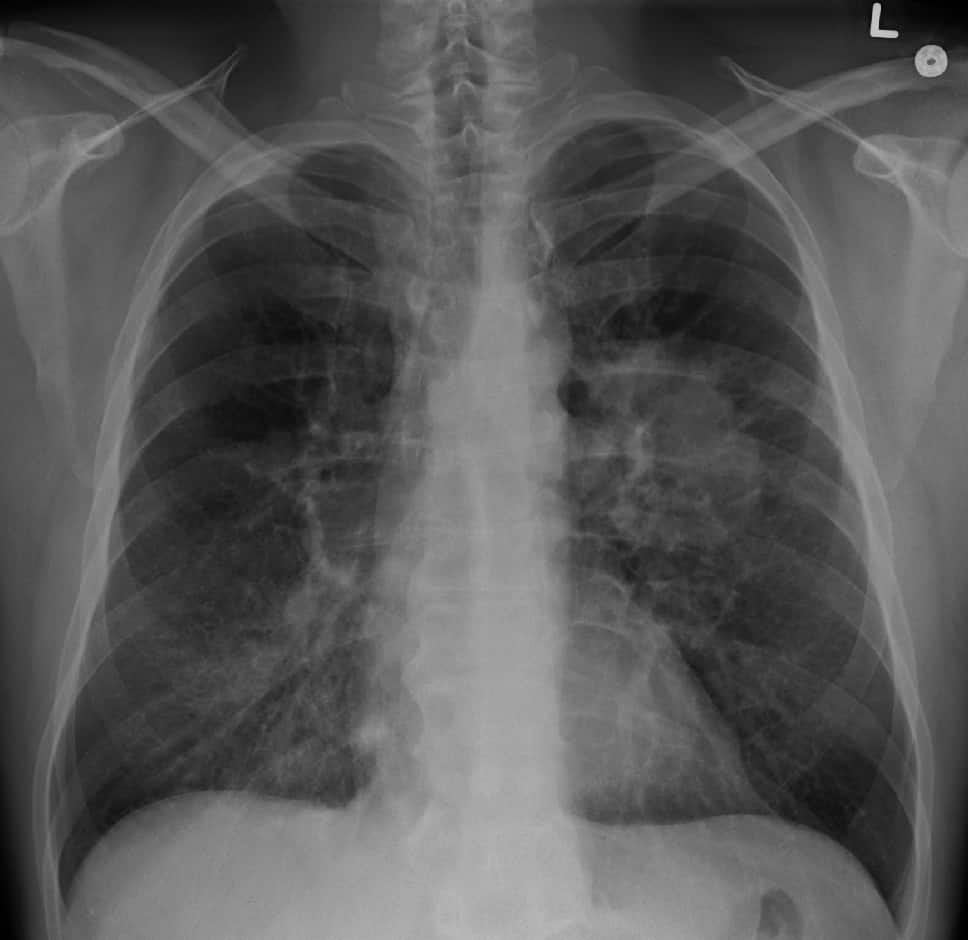
Radiologists previously determined if patients with non-small lung cancer therapies (NSCLC) were responding to treatment by looking at changes in tumour size and the appearance of new lesions from CT scans.
However, this type of evaluation is limited. Laurent Dercle, associate research scientist in the Department of Radiology at the Columbia University Irving Medical Center, commented on this method saying that the radiologist interpretation of the CT scans was “inherently subjective”, adding that: “The purpose of this study was to train cutting-edge AI technologies to predict patients’ responses to treatment, allowing radiologists to deliver more accurate and reproducible predictions of treatment efficacy at an early stage of the disease.”
To develop their new AI, the research team analysed CT images from nearly 200 patients. Through these images, tumours were then classified as treatment-sensitive or treatment-insensitive based on the reference standard of each trial they were from.
The researchers used machine learning to develop a multivariable model to predict treatment sensitivity. Each model could predict a score ranging from zero, highest treatment sensitivity, to one, highest treatment insensitivity, based on the change of the largest measurable lung lesion identified at baseline.
A total of eight radiologic features were used to build the prediction models. These features included changes in tumour volume, heterogeneity, shape, and margin.
Dercle commented on the algorithm, and said: “We found that the same four features that identified EGFR treatment sensitivity for patients with metastatic colorectal cancer could be utilized to predict treatment sensitivity for patients with metastatic NSCLC.” She added that a larger study is needed to test its accuracy further.
The research was published in the Clinical Cancer Research.
Conor Kavanagh
Related Content

Central nervous system cancer metastases – the evolution of diagnostics and treatment
The current forms of immunotherapy, how T cell therapy works and what the future holds
BioMed X and Servier launch Europe’s first XSeed Labs to advance AI-powered antibody design
BioMed X and Servier have announced the launch of Europe’s first XSeed Labs research project, …

T-cell therapy – the evolution of cancer treatments
The current forms of immunotherapy, how T cell therapy works and what the future holds