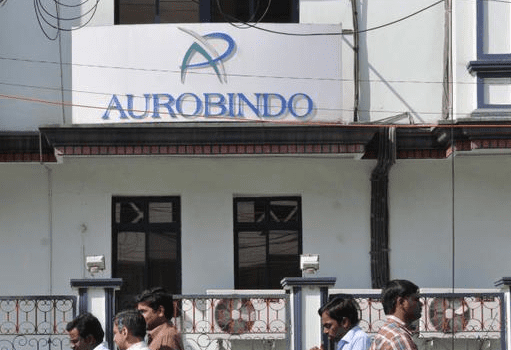
Actavis makes Aurobindo sale
pharmafile | January 21, 2014 | News story | Sales and Marketing | Actavis, Aurobindo, India, generics
Actavis is to sell its commercial operations in seven European countries to Aurobindo Pharma in a bid to put more effort into more lucrative options.
The generics specialist will offload its pharma infrastructure, for an undisclosed sum, in France, Italy, Spain, Portugal, Belgium, Germany and the Netherlands – a move which it says will allow it to concentrate on maximising returns from emerging regions.
“This transaction will permit Actavis to focus management time and resources to support accelerated investment in driving faster growth of other markets, including central and eastern Europe and South-east Asia,” said Actavis Pharma president Sigurdur Oli Olafsson.
Aurobindo would do better in these mature European pharma markets than Actavis, gaining “scale, additional products and enhanced competitive market share position”, he added.
While there are monopoly approvals and staff consultations to be negotiated, Aurobindo is set to acquire Actavis’ holdings in these countries, including products, marketing authorisations and licence rights.
Actavis insists that it is ‘business as usual’ until then but, if the deal goes through, the two companies would also enter into a long-term strategic supply arrangement, they said.
Since launching in Europe in 2006, Aurobindo has bought Milpharm in the UK and Pharmacin in the Netherlands, and also has operations in Italy, Spain, Portugal, Romania and Germany.
Headquartered in Hyderabad, the company’s logistics hub for Europe is in Malta. “Aurobindo is committed to grow its operations in Europe considering the importance of the generic market,” the company said.
Its specialities include antibiotics, anti-retrovirals, gastroenterology and allergy treatments.
Although Actavis is keen to focus on emerging markets, China is emphatically not on its radar. Last week chief executive Paul Bisaro made waves when he said the company was pulling out of China because it “wasn’t worth the aggravation, the frustration or the concern”.
“It is not a business friendly environment,” he said. “If we’re going to allocate capital, we’re going to do so where we can get the most amount of return for the least amount of risk. And China is just too risky.”
Adam Hill
Related Content

Travellers with Indian-made AZ jab may face European ban
Up to 5 million Britons planning to travel to Europe may face a travel ban …
India report record number of COVID deaths as bodies drift down Ganges
India yesterday reported the country’s highest COVID-19 death total for a single day, with 4,205 …
Bharat Biotech jab shows 100% efficacy against severe COVID-19
Indian biopharma company, Bharat Biotech, has reported interim analysis results from the Phase III trial …