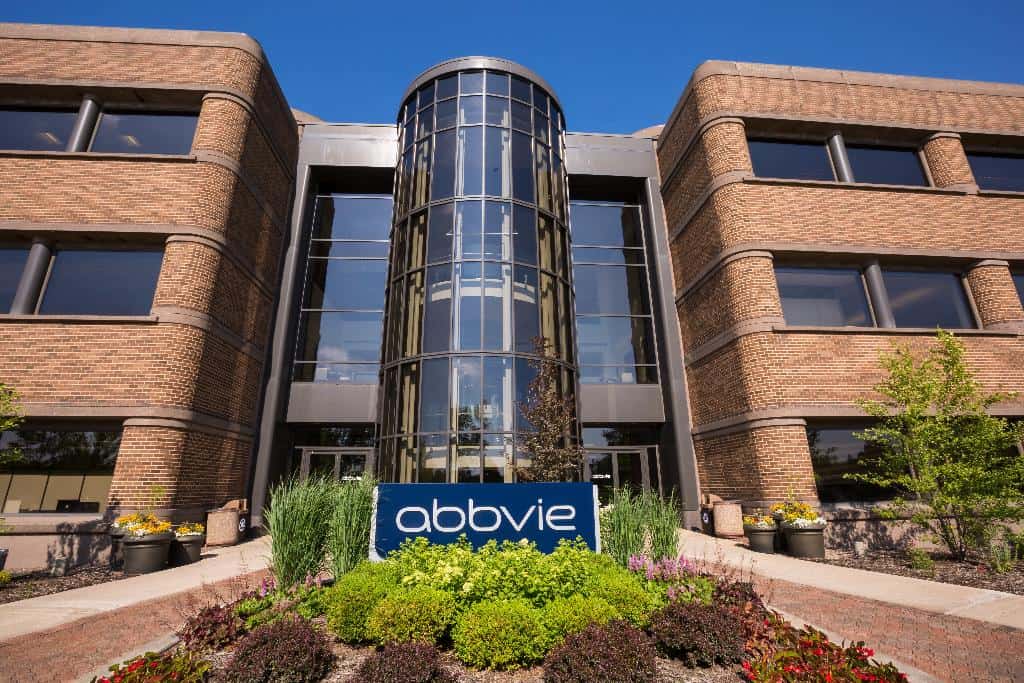
AbbVie turns to tau for Alzheimer’s in $1.1bn deal
pharmafile | February 21, 2018 | News story | Research and Development, Sales and Marketing | AbbVie, Alzheimer's, Voyager, biotech, drugs, pharma, pharmaceutical
Sailing against the prevailing winds in the Alzheimer’s disease space, AbbVie has launched a deal worth a potential $1.1 billion with Voyager Therapeutics.
The news is a positive note amongst a fair amount of doom-and-gloom in the hopes of finding a treatment for Alzheimer’s in the near future, perhaps exemplified best by Pfizer’s decision to exit the neuroscience area at the beginning of the year.
However, AbbVie remains undaunted and has decided to pursue the tau pathway in the hope that it could provide better potential for a treatment, where amyloid-targeting therapies have struggled of late.
Voyager specialises in gene therapy, with expertise in creating vectorised antibodies directed against tau protein in the brain. This form of delivery means that a potential treatment could bypass the blood-brain barrier, delivering a one-time treatment.
Current therapies being explored are limited to weekly or biweekly infusions, where only a small amount of drug is able to access the brain.
Tau is a naturally occurring protein in the brain, known to promote cellular stability and function. However, it has been observed that, in an unhealthy brain, tau is seen to accumulate into ‘tau tangles’, which has been correlated to neurodegeneration.
“AbbVie is focused on developing treatments to meet the crushing public health crisis presented by Alzheimer’s and other neurodegenerative diseases,” said Jim Sullivan, Vice President, Pharmaceutical Discovery, AbbVie. “Voyager’s vectorised antibody platform presents an innovative approach to addressing challenges in treating neurological disorders associated with the administration of biologic therapies. This collaboration has the potential to address the needs of patients who live with conditions such as Alzheimer’s disease, progressive supranuclear palsy and frontotemporal dementia.”
Voyager will receive $69 million as an upfront payment, whilst potentially being in-line to receive $155 million on successful preclinical and Phase 1 readouts. There is a further heavy payload of $895 million to be mined should Voyager reach developmental and regulatory milestones.
Though it may seem like a generous sum, any approved Alzheimer’s treatment would reap serious rewards for the company licensed to sell the product. 10% of the population, over the age 65, has Alzheimer’s dementia in the US and the market is therefore substantial.
Ben Hargreaves
Related Content

Arkin Capital closes $100m fund for pre-clinical and early clinical-stage biotech
Arkin Capital has announced the closing of Arkin Bio Ventures III, a $100m fund designed …

Cellbyte raises $2.75m to fund pharma drug launch platform
Cellbyte has announced that it has raised $2.75m in seed funding for the streamlining of …

Lilly opens fourth US Gateway Labs site
Eli Lilly has opened its newest Lilly Gateway Labs (LGL) site in San Diego, California, …