‘Listening exercise’ to re-shape NHS reforms
pharmafile | April 7, 2011 | News story | | Health and Social Care Bill, NHS, NHS reform
The government has paused its reforms of the NHS and launched what it calls a ‘listening exercise’ to regain support for its plans.
Health Secretary Andrew Lansley announced on Tuesday that the government is taking advantage of “a natural break” in the passage of the Health and Social Care Bill to “pause, listen, reflect and improve”.
The government is to set up several expert panels to review the Bill, which has already progressed through several stages of the legislative process. Despite the strength of opposition to many of the Bill’s details, there is no suggestion that the reform can be halted entirely.
Indeed it remains unclear whether the consultation is predominantly a PR exercise – largely aimed at winning support from NHS organisations – or will result in substantial changes to the plans.
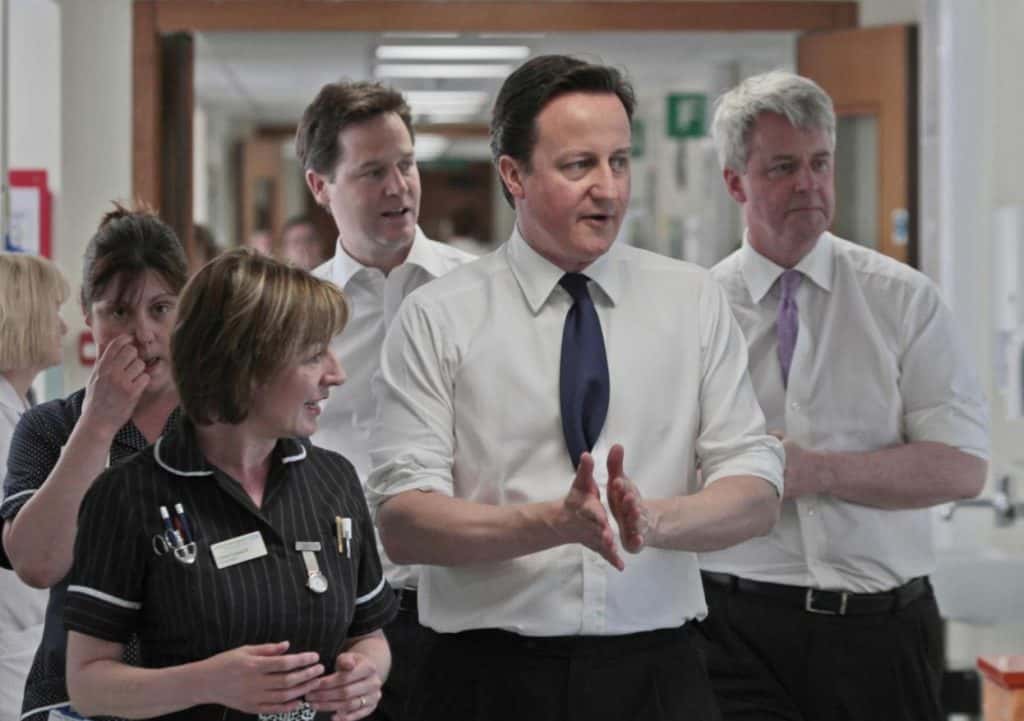
Prime Minister David Cameron, Deputy Prime Minister Nick Clegg, and Health Secretary Andrew Lansley launched the listening exercise yesterday at an event held at the Frimley Park foundation hospital in Surrey.
Andrew Lansley said the exercise will focus on four areas; the role of choice and competition for improving quality; how to ensure public accountability and patient involvement in the new system; how new arrangements for education and training can support the modernisation process; and how “advice from across a range of healthcare professions” can improve patient care.
Many critics of Lansley’s reforms are determined to seize their chance to revisit some of the fundamental aspects of the plans.
King’s Fund chief executive Chris Ham said the government had to “go back to basics” and ask if its plans will help the NHS cope with future difficulties.
“The real choice is not between the status quo and change, but between the right reforms, executed well, or poorly planned reforms that could undermine NHS performance. So while the coalition is right to stress the need for reform to make the NHS truly world class, the means used must be proportionate to the problems that need addressing.”
He added that the listening exercise “must result in significant changes to the current proposals if the reforms are to succeed”.
These changes should be based on clearer accountability, a stronger emphasis on collaboration between services, a more inclusive and gradual approach to GP commissioning and a clearer understanding about where and how far to extend competition.
“The stakes are high. Only when ministers are satisfied that their proposals are proportionate and appropriate to the problems to be addressed, should they proceed with legislation that represents the most fundamental change to the NHS since its inception.”
The Prime Minister said: “I believe passionately in the NHS. It is our most precious national asset. And it is precisely for this reason that we want to safeguard the NHS for future generations. But we also recognise that there are some big questions about what we’re doing.
“This listening exercise is a genuine chance to make a difference. Where there are good suggestions to improve the legislation, those changes will be made. But let me be clear, it is only through modernisation that can we protect the NHS and ensure the country has a truly world-class health service.”
Much of the impetus for the new ‘pause’ came from the Lib Dem party and Deputy Prime Minister Nick Clegg. He said “these ideas stay true to the vision of the founders of the NHS”, and added that the reforms did not spell the privatisation of the health service.
BMA remains sceptical of NHS reforms
Commenting on the initiative Dr Hamish Meldrum, Chairman of Council at the BMA, said his organisation welcomed the move, but said: “How serious it is about making real changes [to the reforms] remains to be seen.”
Dr Meldrum reiterated the BMA’s belief that “the Bill as it is currently written is taking the NHS in England in the wrong direction”. He is particularly concerned about the role of competition in the NHS – and the related risk of fragmentation of care, as well as the plans for reforming doctors’ education and training, and the detail of how commissioning will work.
Andrew McConaghie
Related Content

“That gap between innovation and delivery was what stood out to me most”
Pharmafile chats with Camunda’s Natosha McNeal about the vital role of delivery, onboarding AI and …

Fortysomethings’ non-attendance at NHS Health Checks raises concerns, says study
People in their forties account for almost three-quarters of those who do not attend NHS …

NIHR chief scientific adviser visits Huddersfield health innovation campus
Professor Lucy Chappell, Chief Scientific Adviser to the Department of Health and Social Care and …