Working Life: Alex Earley
pharmafile | December 17, 2008 | Feature | | Abbott, Working Life
How did you find your way into your current role?
After graduating, I worked as a clinical dietitian for the NHS in Wales, dealing with patients requiring enteral (tube-fed) nutrition. Through the role, I got to know the Abbott Nutrition representative and got a good understanding of Abbott as a company. So when a vacancy in Abbott’s sales team came up, I was keen to apply.
I have been with Abbott for over 13 years, in many differing and varied roles, including sales, training, marketing and regional management, before my current position of homecare services director. This is an extremely varied role, which supports the business in ensuring patients using our nutritional products can make the transition from acute care to living as normal a life as possible, supported by their healthcare professionals and family.
My role involves the management of all teams involved in the patient ‘journey’ – including an eServices team, which develops web-based tools for patients’ discharge and registration onto our services; a nursing team to train and support the patients; ongoing contact and patient care through the ‘Hospital2Home’ team; customer services, distribution and logistics teams, which manage the delivery of our enteral feed and equipment directly to the patients’ homes; and the medical device service centre team, which services and repairs the patients’ feeding equipment.
How is your field changing?
In the past 10 years, there have been dramatic changes in the service provision for enterally-fed patients, many driven by Abbott. As an enteral feed company working in partnership with the NHS, it is no longer simply about product. It is now about providing a full service in conjunction with a wide product portfolio, to support the patient journey. We continually work to develop and improve the service, for example with the introduction of eRegistration, a secure, paperless system to enable NHS Trusts to register patients onto our Hospital2Home service.
Having a streamlined operation supports patients from the point of discharge to ongoing care in their own homes, enabling them to leave hospital sooner, and to maintain their quality of life with family and friends. Being tube-fed should not mean that patients are restricted in their activity. Feeding tubes are discreet, feeding equipment is portable, and Abbott even organises deliveries of products to patients’ holiday destinations both in the UK and abroad, so that they can manage their lifestyles around their condition.
What are the most enjoyable things about your role?
My role is really diverse – managing both field and office-based operational teams brings a great deal of variety. Regardless of weather conditions, transport strikes, school holidays, altered discharge schedules and the like, we run a round-the-clock operation and that requires us to rapidly adapt when challenges strike.
For example, we have an emergency 24/7 support service and, during the floods in Gloucester last year, not a single patient went without their feed and equipment delivery, despite some patients being moved to other locations as the flood conditions worsened.
Another example of our flexibility and responsiveness was when the fluid restrictions were enforced on airline travel a couple of years ago. We had 11 patients taking transatlantic holidays and so had to liaise with the airlines and airport authorities to ensure they could take their liquid nutritional feed and electrical feeding equipment on board with them.
The close interaction with patients is particularly rewarding – especially knowing that our service to patients makes a real difference to their quality of life. Our nurses and Hospital2Home team are at the coalface of patient care – reading the letters, holiday postcards and Christmas cards that they receive from their patients is heartwarming, especially when a patient calls to say that they don’t need any more deliveries because their treatment is completed and they are on the road to recovery.
And what aspect of your job do you least enjoy?
Not all patients leave the service because they get better; some are dealing with terminal conditions. When the teams have supported such a patient over several years, getting to know them and their family/carers through regular phone calls and deliveries, it is upsetting when we learn that they have passed away. It’s a very sobering part of the role.
What are the most common misconceptions about your field?
The pharmaceutical and healthcare industries are frequently poorly represented in the lay press. Very few people are aware of the partnership work between healthcare companies, the NHS and the wider community in terms of patient care and support, such as our homecare service.
Is there an individual in your field who has inspired or influenced you?
One of my senior colleagues when I worked in the NHS was a real inspiration to me. She saw opportunities, not obstacles, and worked with patience and humour – in fact she’s subsequently been awarded an MBE for her services to the community.
I have also been lucky to have a number of managers in Abbott who have been strong leaders, and who valued having a diversity of people in their teams, drawing out the best contribution from everyone. The team I work with in Abbott is motivated and energising – we work hard but have fun too, and that’s very much from the top down.
And similarly, is there someone who has influenced you outside your work?
My grandmother. She was a quiet but very determined lady. An early marriage, having children (not all of whom survived), supporting elderly parents and living in difficult financial times meant that her own personal ambitions were put on hold for many years.
She had always wanted to be a nurse and eventually, in her 50s, trained as an auxillary nurse with the British Red Cross and gave several years of voluntary service to disabled people. I’m really proud of her and her influence on me has been “hold on to your dreams and never give up”.
What is the secret to a happy working life?
Being part of a motivated, driven team of people who support each other (and feel supported) through the tough times as well as the good.
Respecting and valuing different people’s working styles and their diverse approaches to handling situations is also important – it wouldn’t be good for us all to be the same – and certainly brings energy and balance to reaching solutions. As with all roles, there are a number of pressure points, but keeping a sense of perspective helps.
If you had advice for anyone starting out in your field now, what would it be?
Have ambition, be prepared to work hard, take each step at a time, and don’t cut corners. I’ve gained valuable insight from people who have consistently worked their way up the ladder; they are wise, acknowledged for making the best business decisions and respected for their people management skills.
How do you relax and forget about work?
I have a very energetic springer spaniel who, regardless of what kind of day I have had, greets me with a wagging tail. This instant distraction stops me from off-loading to my husband – we have very different jobs, in diverse industries – and by the time we both get home, it’s time to switch off.
In an alternate life, what would you do for a living?
Before my involvement in dietetics, I wanted to be a psychologist – I’ve always been interested in people, what motivates them and makes them tick. That’s partly why I enjoy my current role so much, between the teams I manage, the people in other divisions that I work with and the interaction with the patients and healthcare professionals themselves, there’s never a dull day.
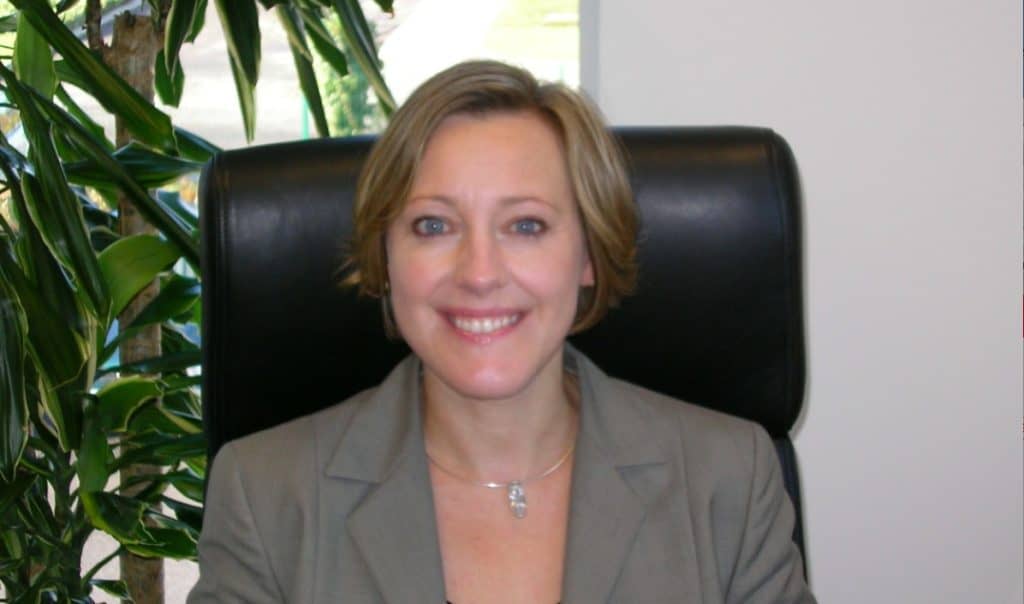
Alex Earley joined Abbott in 1996, having previously worked as a dietitian in the NHS. She has since worked in a variety of sales, training and marketing management roles.
For the past two years, Alex has worked in her current role as homecare services director, managing six business teams and 140 employees.
Alex lives near Marlow in Buckinghamshire, with husband Rob.
She enjoys walking, cooking and has WSET (Wine & Spirit Education Trust) qualifications in wine tasting, with some wines patiently being cellared for future drinking!
Related Content

Abbott to acquire Bigfoot Biomedical
Abbott and Bigfoot Biomedical have announced a definitive agreement for Abbott to acquire Bigfoot, however …

FDA approves Abbott’s Assert-IQ insertable cardiac monitor
Abbott has announced that the US Food and Drug Administration (FDA) has granted its clearance …

FDA approves Abbott’s rapid portable COVID-19 test
The FDA has given emergency clearance for Abbott’s portable COVID-19 test that it will sell …