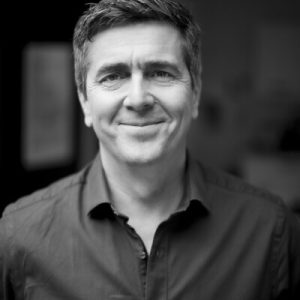
Stephen Dorrell: Health reforms need wider focus
pharmafile | May 19, 2011 | Feature | | Health and Social Care Bill, NHS reforms
The government’s radical reform of the NHS must focus on integrated care and not just GPs, according to the chairman of the Health Select Committee.
Stephen Dorrell told the Westminster Health Forum that the Health and Social Care Bill was only important if it could help the NHS meet its cost savings target – the ‘Nicholson Challenge’.
But Dorrell said it will only be able to save around £20 billion by 2015 if health services are commissioned by a variety of groups, and not just GPs as the current Bill states.
He said the cost savings work out at 4% efficiency gains each year for four years, something no healthcare system in the world has yet managed, and added that the savings were more important than the reforms.
He told Pharmafocus that the Bill in its current form wasn’t built to deliver these savings, and the health service would need an integrated system to have a chance of meeting the Challenge.
“[This] is not about the Bill, but about the key financial challenges to the health service. I believe that form must follow function – and the government is seeking the opposite with these reforms and is now in deep water.
“We must focus on form – the form of the NHS and whether it can meet the Nicholson Challenge – before we can really start to think of the function of reform,” he added.
Dorrell admitted that if he were health secretary today he would be doing things ‘very differently‘, but said Lansley’s reforms were just an evolution of previous health policies dating back to 1990.
Dorrell said he does not believe in maintaining the status quo and wants reform of the current system.
He was dismissive of primary care trusts – the bodies currently commissioning services in the NHS – saying they were ineffective and costly: “Preservation of the PCTs is not on anyone’s agenda”, he said.
But the solution proposed in health secretary Andrew Lansley’s reforms – to remove PCTs and replace them with GP consortia – will be equally ineffective, according to Dorrell.
What he favours is a system of integrated care whereby GPs will have a say in commissioning services, but will share this responsibility with primary care bodies, and ensuring neither primary care or secondary care groups are running commissioning on their own.
By doing this the commissioning could be arranged in a more bespoke fashion and made more effective by having the right people commissioning the right services, he said.
His notion of integrated care was welcomed by the Forum attendees, which included many doctors and staff from the Department of Health.
GP Alliance bemoan ‘betrayal’ over reforms
The government’ has currently put the Health and Social Care Bill on hold as it gathers opinions of the reforms from across the NHS.
It has already said it is looking to make ‘substantial changes’ to the Bill and this may include watering down the role of GPs.
They were initially set to receive 80% of the NHS budget to commission services, but this has now fallen to 60 per cent.
This may slide further, and a major concession that could be made would be over the question of integrated care and having other healthcare professionals sit alongside GPs in making decisions on commissioning.
But Michael Dixon, head of the NHS Alliance, strongly disagreed with this, saying he and his members felt ‘betrayed’ by the government’s backtracking.
Also speaking at the Westminster Health Forum he said he didn’t want the government to ‘over proscribe’ GPs or add to the people involved in decision making, because this will lead to “groups of committees unable to come to any firm decision“.
He went further and said that there was scope to give GPs more independence, and warned the National Commissioning Board and Monitor – the groups set up to regulate GPs under the reform plans – not to ’Queen it over the consortia’.
“The ‘pause’ in the Health Bill has been difficult for GPs,” Dixon said. “We’ve been told the rules have changed and my email inbox is now filled with messages from doctors saying they feel betrayed by this.
“The Bill’s original plans were very good but now they are becoming tangled up in bureaucracy and political correctness, and we shouldn’t let that happen,” he concluded.
Ben Adams
Related Content
Hospitals on ‘brink of collapse’, warn doctors
Hospitals across the UK are struggling to cope with emergency admissions, and a doctors’ group …

Storm clouds gathering over the NHS, say its leaders
NHS managers are using their annual conference to criticise the government’s savings programmes. The government …
Risk register spells out NHS reform risks
A leaked document that assesses problems with the government’s reform of the NHS has been …