
Rare and severe epilepsies – current treatments and advance therapeutics
Ella Day | August 29, 2025 | Feature | Medical Communications, Research and Development | Neurology, UCB, epilepsy, epilepsy treatment, rare epilepsies
Pharmafile talks to Amélie Lothe, global medical community head of rare epilepsies at UCB, about rare and severe forms of epilepsies, specifically developmental and epileptic encephalopathies. She discusses current treatments and how she anticipates they will develop in the future.
Pharmafile: Can you provide a general overview of epilepsy and its symptoms?
Amélie Lothe (AL): Epilepsy is a neurological disorder characterised by recurrent seizures that affects around 50 million people worldwide. There are many different types of epilepsy and they present a range of symptoms, with seizures varying in type and severity from one person to another. The presentation of these seizures depends on the type of epilepsy, as well as which area of the brain is affected. Some people may experience warning signs before a seizure – known as an aura – while others may have no warning at all. UCB works in the field of a group of rare and severe epilepsy called Developmental and Epileptic Encephalopathies (DEE). These patients suffer from a high seizure burden as well as developmental delay. Beyond seizures, DEEs can also affect behaviour, communication and emotional well-being. These are very complex conditions and require multidisciplinary management.
Pharmafile: What treatments exist for these epilepsies and how effective are they?
AL: Most take the form of anti-seizure medication, in which the main goal is to achieve seizure freedom – so no seizures – without side effects compromising patients’ quality of life. These medications are effective for many people with epilepsy. However, about a third of people with epilepsy are unable to achieve seizure control on their current treatment regimen. And this really highlights the need for ongoing research and the development of new therapies. Since epilepsy is a heterogeneous condition, there is no one-size-fits-all treatment. The optimal treatment strategy depends on multiple factors, including aetiology, but also some patient-specific factors, such as the patient’s age, the seizure types and treatment characteristics, such as the drug interaction profile. At UCB we are committed to developing innovative solutions to address all these challenges. In addition to this pharmacological treatment, there are also some non-pharmacological options for people with epilepsy. This includes surgery, valgus nerve stimulation or ketogenic diet, and in some cases – depending on the symptom – supportive therapy can really play a critical role. For example, speech therapy can be used to support communication issues, or psychosocial support can help to address emotional and behavioural challenges.
Pharmafile: Do these therapies, treatments, have any side effects? If so, what are they?
AL: Generally, the medications are well tolerated by most patients, but side effects can occur and they vary from one medication to another. With anti-seizure medication, they include fatigue, mood changes and weight changes. Long-term use of some medications may also affect bone health or liver function. This means it’s really important to perform regular monitoring in those being treated with anti-seizure medication, and consider the balance between the seizure control and minimising adverse effects. This is why I think individualised care is very important for epilepsies, which physicians need to consider when they prescribe a drug.
Pharmafile: Can you describe how these treatments have advanced over the last five to ten years?
AL: Over the last years, advancing epilepsy treatment has really been driven by a better understanding of the disease mechanism and the development of targeted therapy, because if you understand the mechanism, you can develop specific therapies to target this mechanism. Advancement is not only related to the treatment itself, it is also about the management of people with epilepsy by having a more holistic approach to the patient. Innovations in digital health technology and personalised medicine have improved treatment efficacy and patient care.
Pharmafile: How do rare epilepsies differ from more common types?
AL: I will use an example from the group DEE. These often present in infancy or early childhood, with more severe symptoms compared to the common forms of epilepsies. They also involve multiple seizure types and, unfortunately, these seizures are generally resistant to treatment. In addition, people with DEE also present developmental delay and they can experience difficulties with sleep, behaviour and communication. For example, even a very simple activity of daily living, such as being able to feed yourself, may be not possible for some of these patients.
Another difference is that rare epilepsies are linked to a specific gene mutation, such as the CDKL-5 gene mutation. The burden on caregivers is also often higher because of the complexities of the patients’ needs. UCB is currently focusing on understanding these respective challenges and their uniqueness, and is working to provide the most effective therapy for these patients and their families.
Pharmafile: What epilepsy research is UCB working on currently?
UCB is exploring new pathways and developing disease-modifying therapies to improve the lives of children and adults affected by different types of epilepsies. Our goal is to contribute to a future where we understand the root cause of the different types, develop transformative therapies that improve the course of the disease and bring meaningful improvement to people’s everyday lives. We are collaborating with leading academic institutions and using advanced technologies to better understand the mechanisms underlying the development of specific epilepsies. In cases where mechanisms are still quite unclear, we’re also building natural histories of symptom progression to help understand the course and mechanism of the disease. All this knowledge that we are acquiring right now will help us to develop transformative therapies that go beyond symptom management.
Pharmafile: Can you describe the broader potential of phleramine for treating CDKl5 deficiency disorder or CDD?
AL: CDD neutral rare, severe DEE is caused by a pathogenic variant in the CDKl5 gene. Children with CDD usually start experiencing seizures in very early infancy and these persist into adulthood. More than 60% of patients still have daily treatment-resistant seizures. Since it also impacts neurodevelopment, many children and adults are not able to walk, talk or feed themselves. It affects multiple organ systems, such as motor function or vision. This reiterates that the impact of the disease of DEE on the patient and family is profound. Unfortunately, there is a high unmet need for these patients, with no cure nor effective treatment options.
Fenfluramine is promising as a treatment for CDD as it works differently from other anti-seizure medications, targeting the serotonergic system and sigma-1 receptors. Recently, we conducted a phase three trial to evaluate efficacy, safety and pharmacokinetic of fenfluramine as an add-on treatment for children and adults with CDD who experience uncontrolled seizures. This study met the primary and the key secondary endpoint. A third of the patient population experienced a positive outcome from treatment with fenfluramine. Therefore, by exploring the potential of fenfluramine in this population, we aim to provide a new solution for patients and their families that improves their quality of life.
Pharmafile: How do you envision treatments for epilepsies evolving over the next five years?
AL: The future of epilepsy treatment is very promising. In the context of rapidly advancing genetic research and biomarker discovery, we anticipate an evolution toward more personalised and precision medicine, including for rare and severe forms. Also, there is a rising rate of integrated care addressing non-seizure symptoms, including cognitive impairment and mental health. I believe that digital health tools will help us to improve real-time monitoring and predictive care for patients. Additionally, I think we can expect more genetic therapies.
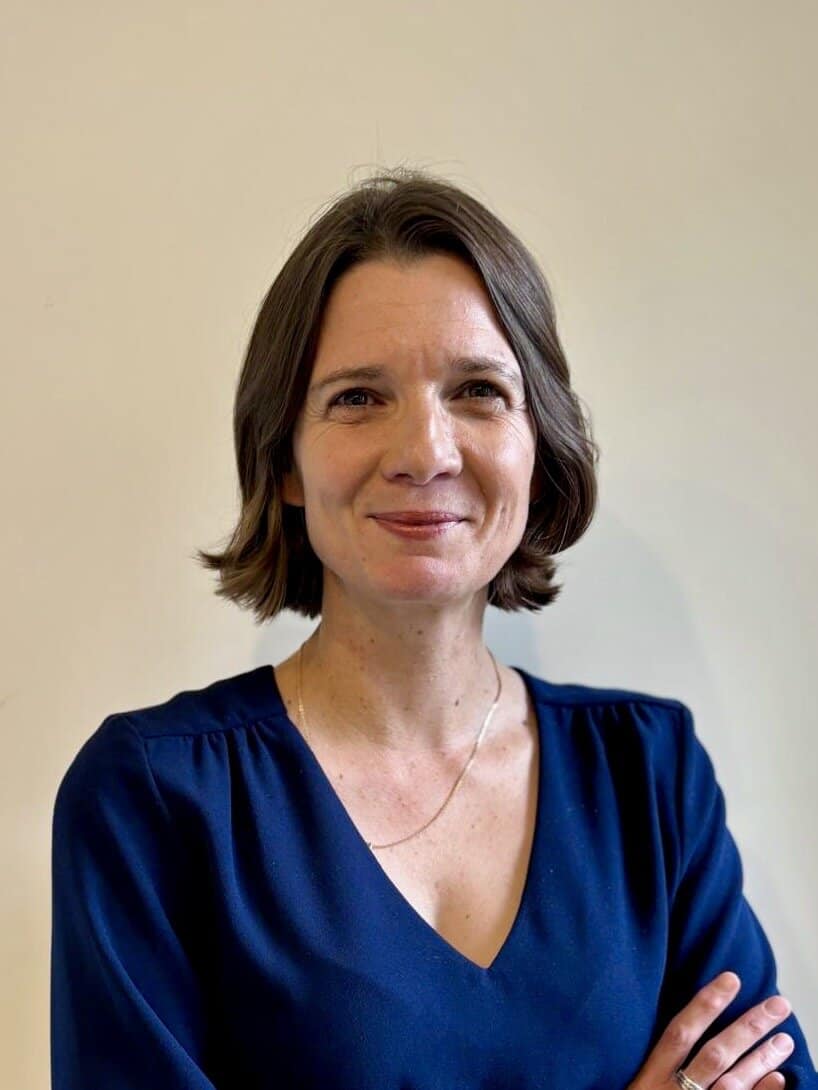
Amélie Lothe is global medical community head of rare epilepsies at UCB. She has over 20 years’ experience working in epilepsy and is passionate about advancing care for patients and their families.

This article featured in: September 2025 – The Pharmafile Brief
Related Content

EpilepsyGTx raises $33m for focal refractory epilepsy gene therapy
EpilepsyGTx, a biotechnology company researching and developing gene therapies for the treatment of refractory epilepsy, …

UCB presents positive results for fenfluramine in CDKL5 deficiency disorder
UCB has announced positive results from its phase 3 GEMZ study, showing that fenfluramine can …

UCB announces first-in-patient trial success for galvokimig in atopic dermatitis
UCB has reported positive early clinical trial results for galvokimig, an investigational therapy for adults …