Purpose and people: the enduring power of brand and the evolution of employer identity
pharmafile | July 7, 2025 | Feature | Branding, Business Services, Corporate Branding, Medical Communications, Sales and Marketing | AstraZeneca, Identity, Inclusion, The Caffeine Partnership, benenden health, branding
Two decades ago, terms like purpose and people were rarely at the forefront of branding conversations. The focus was on visual identity – logos, colour palettes and the external face of organisations. Yet, while the visual language of many brands has remained remarkably consistent, the internal landscape of what brands represent and how they engage with people has transformed dramatically.
The enduring nature of iconic logos
Take AstraZeneca as a case in point. When the AstraZeneca logo was designed 25 years ago, the intent was to craft a symbol that would endure, reflecting values of scientific rigour, relentless research and innovation. The logo’s design – carefully balanced, modern and imbued with a sense of continuous innovation – has hardly changed since its inception. It stands as a testament to the power of a well-conceived brand identity to withstand the test of time, even as the company itself evolves.
Why logos last:
- Consistency: the AstraZeneca logo’s continuity has reinforced trust and recognition globally
- Symbolism: its design encapsulates the company’s commitment to research and medical advancement, projecting hope and leadership in healthcare
- Strategic restraint: rather than chasing fleeting trends, the brand has focused on deepening its meaning and relevance through its actions, not just its appearance.
The shift: from external identity to internal purpose
While the external face of brands like AstraZeneca has remained stable, the internal expectations of what a brand must deliver – especially for employees – have shifted profoundly. Twenty years ago, employer branding was rarely discussed. Today, it is central to attracting, retaining and empowering talent.
The evolution of employer branding:
- Employee needs: modern workplaces must new seek to address diverse needs, from mental health to flexible working and inclusion. Today’s workforce has fundamentally shifted from passive acceptance to actively choosing companies whose values mirror their own. It’s a seismic shift that’s reshaping how businesses operate and compete for talent.
- Purpose-driven culture: employees are now seeking employers whose values align with their own, demanding authenticity and a clear sense of organisational purpose. Companies face staggering costs when they get this wrong – 52% of workers say they would quit their job if company values don’t align with their personal values, while only one in four would accept a position at a company whose values they disagree with. 1
- Brand as experience: the employer brand is no longer just a recruitment tool; it is lived daily through culture, policies and leadership. The key word here is leadership. In Caffeine’s recent Employee Pride Index 2024, just 39% believe their employer continually improves the employee experience. Authentic, purpose-driven leadership is the difference between a workforce that’s proud and one that’s just clocking in. 2
Neurodiversity and the expanding definition of inclusion
A striking example of this evolution is the growing focus on neurodiversity. Benenden Health has been at the forefront, championing workplace inclusion for neurodivergent individuals.
“From the recent Benenden Health research on Generation Alpha, we know that 78% of today’s teenagers believe everyone should feel supported at work.
And given that Gen Alpha will be entering the workforce in the next 4 years, this is a challenge that employers need to rise to now.”
Dr Amy Pressland , Head of Talent and Performance at Benenden Health
Why is this so important? Simply put: a neuroinclusive workplace is key to fostering a happy, healthy work environment for all. The initiatives that Benenden champion – such as webinars and practical support for employees and managers – demonstrate how organisations are moving beyond traditional diversity to embrace the full spectrum of human experience.
So how can you bring this awareness into your workplace and make your brand more than just your logo? Here are five things you can do right now:
- Celebrate strengths, don’t standardise
Ditch the one-size-fits-all mentality. When you recognise and champion the unique ways people think and work, you unlock fresh perspectives and give everyone the tools to thrive. Inclusion starts with seeing difference as a superpower, not a hurdle.
- Flexibility is your secret weapon
Adjustable hours, remote options, quiet corners – these aren’t perks, they’re essentials. By making flexibility the norm, you help everyone bring their best, whether that means simple things like giving the option for camera-off video conferencing or time to recharge between meetings.
- Rethink your office and your meetings
Open-plan chaos isn’t for everyone. Offer alternative spaces, desk dividers or quieter zones, and let people choose where and how they work best. And when it comes to meetings, give people time to reflect, share agendas early and offer different ways to contribute – because not every voice thrives in a group setting.
- Keep communication sharp and simple
Break tasks into steps, use visual aids and say exactly what you mean. Clear, accessible communication keeps everyone on the same page and makes sure no one gets left behind – especially those who process information differently.
- Make feedback and development accessible
Empower people to grow with clear, structured feedback and tailored development opportunities. When you offer learning in different formats and create space for two-way conversations, you help everyone feel valued and set up for success.
Conclusion: the future of brand is human
In summary, while the external symbols of brands may remain unchanged for decades, the meaning behind them – and the expectations of the people they represent – are in constant flux. The AstraZeneca logo created 25 years ago still stands for innovation and research, but the conversation has expanded to include the needs, aspirations and well-being of employees and communities.
The real transformation has happened within – inside the walls, the teams and the values that define what a brand stands for.
Employees expect more than a strong logo – they seek alignment, trust and a sense of belonging. They want to see their own values reflected in the work they do and they reward companies that deliver on those promises with loyalty and passion.
In short, while the face of brands may have changed little, the soul of branding has evolved beyond recognition. The future belongs to organisations that understand this shift – who put purpose and people at the centre and let their visual identity be the outward expression of a genuinely meaningful inner world.
Brands that endure are those that balance visual consistency with a willingness to evolve their purpose, placing people at the heart of everything they do.

Author
Ged Equi is a freelance Creative Director at The Caffeine Partnership, helping brands grow through purpose-led strategy and inspired leadership. He’s led global brand work for names like Oxfam, Eurostar, AstraZeneca and FIFA, and driven employee engagement for Nissan Europe, BNP Paribas and AXA. A contributor to Design Week and Creative Review, Ged also speaks at major industry events and judges for Arts Thread’s Global Creative Graduate Showcase.
www.gedequi.com
www.thisiscaffeine.com
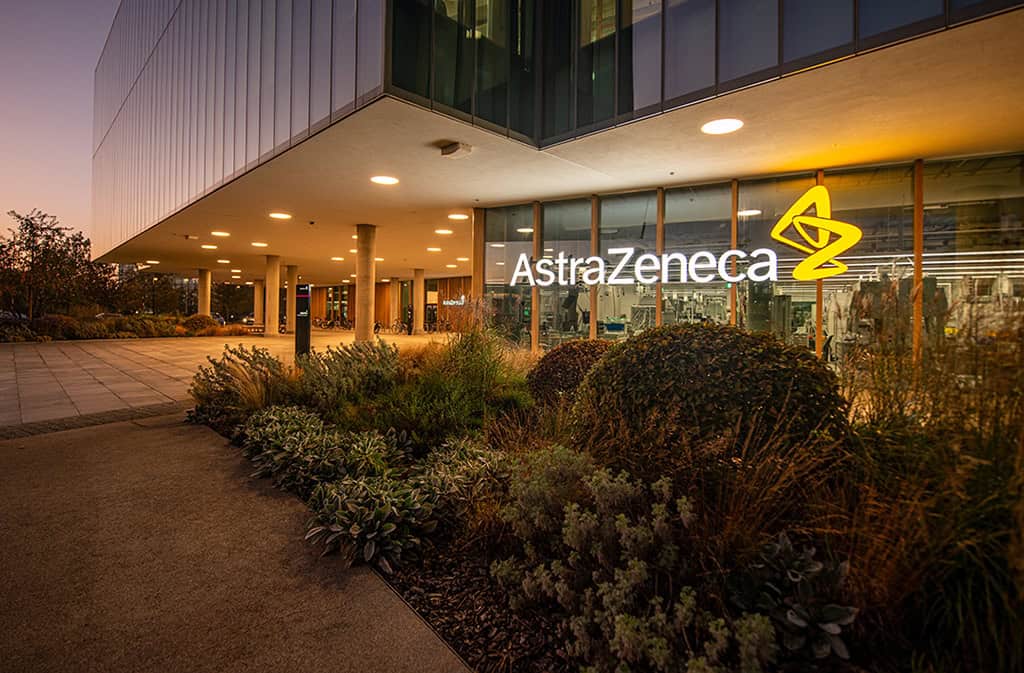
Main image: The Discovery Centre with AstraZeneca signage. (Credit: David Porter/AstraZeneca)
References
1 https://www.qualtrics.com/blog/company-values-employee-retention/
2 https://thisiscaffeine.com/white-paper/the-employee-pride-index-2024-what-drives-employee-pride/

This article featured in: July 2025 – The Pharmafile Brief
Related Content

NICE recommends Benralizumab for Rare Form of Vasculitis
The National Institute for Health and Care Excellence (NICE) has recommended AstraZeneca’s benralizumab (Fasenra) as …

NICE approves AstraZeneca’s dual immunotherapy for advanced liver cancer
AstraZeneca has received a positive recommendation from the National Institute for Health and Care Excellence …

NHS ConfedExpo 2025: a platform for change in UK health and care
This year’s NHS ConfedExpo took place on 11 to 12 June at Manchester Central, bringing …