NICE wishes you a cost effective Christmas
pharmafile | November 30, 2011 | Feature | Sales and Marketing | NICE
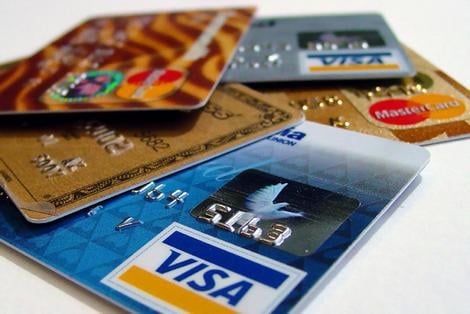
NICE has disclosed information about its use of corporate credit cards following a request made under the Freedom of Information Act.
The Institute has responded by making records of employees’ use of credit cards available in full – but the accounts have failed to uncover any obviously inappropriate spending.
The Daily Mail newspaper has been probing use of credit cards by government departments and civil servants in a series of articles since May, and has uncovered numerous instances of excessive spending.
The probe into NICE’s spending habits has turned up no such embarrassments, however.
Sir Andrew Dillon, chief executive of NICE, said: “This is the second time we have been asked for information about our credit card spending, so it is clearly a topic of interest. We already publish our full accounts and remuneration information for our senior staff, so we have decided also to publish this spending information.
“Government procurement cards and other credit cards are only used when it is difficult to make a payment any other way and their use is subject to strict guidelines. All our expenditure is for business purposes. No members of staff use our corporate credit cards to pay for goods or services that are not directly connected to NICE’s work or the running of our offices.”
NICE says the credit card statements are subject to internal and external audit, and all credit card spending needs to be explained and justified by the cardholder.
“For instance, in signing off a restaurant bill for groups of staff travelling away from home for a meeting or conference, we always look at the amount spent per head to check that it is withinreasonable limits.”
In some cases, spending on NICE corporate credit cards is re-charged to other organisations or to employees (for example, season ticket loans and some training expenses).
“Recharging to other bodies is particularly common in our International division, which works on a cost-recovery basis.”
In the year from August 2010 to August 2011, NICE employees used corporate credit cards to pay for goods and services that cost a total of just under £126,000.
Of this, just over £48,000 was recharged, either to third party organisations, or to employees.The spreadsheet is available on NICE’s website and lists all transactions, together with explanations of the spending.The majority of items charged are for travel or catering costs, and remain within sensible limits.There are just one or two eye-catching purposes in the spreadsheet.
In terms of preserving confidentiality relating to appraisals, the pharmaceutical industry will be reassured to see also included on the bill was £427.68 spent on encryption software.
The records also show that NICE is keen on cost effectiveness, even at Christmas time. The accounts show that a real Christmas tree was ordered for NICE’s London offices last December at a cost of £44.90.
But there was a quick change of heart, with this order cancelled – and a fake Christmas tree bought from Argos instead at a cost of £49.90.The purchaser noted that the artificial tree would be for ‘reuse each year’ and thus better value for money.
The pharma industry will heartened to see NICE knows that spending a little extra in advance can prove to be the most cost-effective option in the long run.
Related Content

Digital mental health technologies – a valuable tool in supporting people with depression and anxiety
The potential benefits of digital mental health technology for managing depression, anxiety and stress, together …

Combination treatments: Takeda’s Implementation Framework and the broader landscape
Pharmafile talks to Emma Roffe, Oncology Country Head (UK & Ireland) about the combination treatment …
NICE recommends Pfizer’s new once-weekly treatment for haemophilia B on NHS
Walton Oaks, 21st May 2025 – Pfizer Ltd announced today that the National Institute for Health and Care …