Battling misinformation on the world’s biggest killer
pharmafile | August 14, 2017 | Feature | Business Services, Manufacturing and Production, Medical Communications, Research and Development, Sales and Marketing | cardiovascular disease, cholesterol, healthcare, heart disease, heart failure, medicine, pharma, pharmaceutical
Simon Williams, Head of Communications and Policy at Heart UK, discusses the threat posed by cholesterol in the development of cardiovascular conditions, and how statins are key to solving the problem, if the treatment could only escape unwarranted criticism.
Coronary heart disease is the UK’s biggest cause of death and has a devastating effect on families as well as placing extra cost and pressure on an already stretched healthcare system. Currently, there are around 155,000 deaths every year from heart and circulatory diseases, which includes heart attacks and strokes, accounting for over a quarter of all deaths in the UK. To add to this, there are around 491,000 hospital episodes related to coronary heart disease each year, and it is estimated that cardiovascular disease costs the UK economy around £15.2 billion each year.
Raised blood cholesterol is a major risk factor in developing coronary heart disease and other cardiovascular diseases and contributes significantly to the chance of someone having a heart attack or stroke. Cholesterol, in addition to blood pressure and arterial fibrillation, contributes significantly to this burden on the nation but also can lead to devastating effects on an individual and their families. Despite remaining Britain’s biggest killer, there have been huge advancements in the treatment of heart disease and a decline in high risk behaviour such as smoking. However, the decline in the number of heart attacks and strokes should not be taken for granted as the rate has slowed in recent years and the nation’s behaviour is getting even less healthy. On top of this, the continuing bad press that high cholesterol and its main treatment – namely statins – receive all provide a worrying picture.
Statins are life savers for people that need them, taken by hundreds of thousands of people around the world for over 30 years; yet, hardly a day passes without an attention-grabbing headline gives them an ill-deserved reputation. Statins are given to prevent heart attacks and strokes for sound medical reasons, yet many patients are still reluctant to take this very effective medicine, potentially leaving themselves at high risk.
If you believed everything you read in the press, you’d think that these highly effective cholesterol-lowering medicines are to blame for all manner of awful side-effects that are significantly worse than any possible benefit. You’d wonder if it was even worth taking them given the exaggerated risks, yet the evidence that high cholesterol leads to a narrowing of the arteries which in turn can cause a heart attack or stroke is incontrovertible.
But before we get the record straight on statins we need to understand a bit more about cholesterol. Cholesterol is made in the body and carried in the blood, and you also get cholesterol from some of the foods you eat. The body can make all the cholesterol that is needed for it to function properly, such as making hormones and helping to digest fatty food. It is important to know not just the total amount of cholesterol in the body, but how this is broken down. There is low density lipoprotein (LDL) and high density lipoprotein (HDL). LDL cholesterol is often referred to as ‘bad cholesterol’ and HDL is often referred to as ‘good cholesterol’.
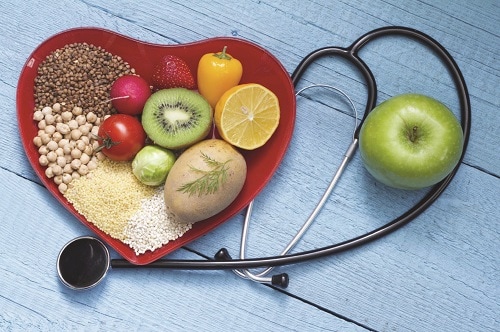
For the majority of adults however, unhealthy cholesterol levels are a result of diet and lifestyle – of an increasingly sedentary way of life, eating too much saturated fat and factors such as smoking. Eating better, such as following a Mediterranean diet which is low in saturated fat, high in fruit and vegetables, in addition to more physical activity will help bring cholesterol levels down. Statins are not a replacement for these important changes to the way someone lives, but an additional help when the risk of a heart attack and stroke remains high.
For anyone with the inherited form of high cholesterol, familial hypercholesterolaemia (FH), medication such as statins are a lifelong need from an early age to manage very high cholesterol and prevent premature death. FH is not caused by diet and lifestyle and cholesterol can be at extreme and dangerous levels, if left untreated. Keeping active and eating a healthy diet are still very important to keep a healthy level of low cholesterol, but for people with FH this is still not enough.
Individuals of any age can be affected by FH, as the gene is passed down through generations. At Heart UK we hear all too often of families not knowing they have an FH gene, who have had to bury young children or young adults who have suffered fatal heart attacks. We are often contacted for support and guidance by families who want to know why a loved one in their 20s has died so young and why they had such high cholesterol levels.
Once identified and effectively treated, life for someone with FH is a normal lifespan. But early identification is absolutely key.
Statins can help control total cholesterol level and bring down bad cholesterol and it is important to keep taking them every day. Statins help the body filter cholesterol out of the blood and are a very effective medicine for lowering LDL cholesterol. As statins lower LDL cholesterol substantially they can also help to shrink some of the cholesterol plaques that have built up in the lining of arteries, and this further reduces the risk of heart disease.
There is sound medical and scientific evidence that statins save lives, and that the benefits outweigh any risk and any side effects can be managed. It is time for the controversy to come to an end; those seeking one from big pharma bias on trials will not find one – the majority of statins are off patent and so cheap that there’s no big money to be made any more.
All medicines have side effects and risks; this includes commonly taken high street pain killers like paracetamol and aspirin which are far more frequently used than statins yet rarely questioned and certainly don’t attract the negativity like statins do. Muscle ache is often claimed to be caused by a statin, but so too is getting older or not having enough vitamin D. Altering the amount and potentially the type of statin can help reduce any potential side effect, and a one-size-fits all approach does not work.
There is absolutely no controversy that LDL cholesterol contributes to cardiovascular ill health, save for a handful of attention-seeking, ill-informed, self-professed ‘experts’. Unlike the significant majority of expert health care professionals that care for patients daily and who are held to account by regulatory and professional bodies, it is ill-advised in the extreme to believe self-promoting and unaccountable individuals who claim to be an expert but are certainly not.
The public misconception about statins is unrivalled and fuelled by a media hungry for sensational and short lived headlines. Conspiracy theorists and self-professed experts wallow in stories that greatly exaggerate the risks while saying little about the benefits of any medicine, while celebrity chefs extol the benefits of cooking with the likes of coconut oil and its unfounded health benefits.
Claims about coconut oil range from beneficial for weight loss, reducing blood pressure, cholesterol-lowering, wound healing and memory boosting to being a panacea for Alzheimer’s and Parkinson’s diseases, as well as Irritable Bowel Syndrome.
What people don’t usually realise is that coconut oil is entirely fat, and as much as 90% of the fat is saturated fat. Compare this with the saturated fat of most butters, which is 52%, and many people will be surprised. It’s quite shocking to hear that this so-called healthy cooking oil has higher saturated fat content than lard!
Earlier in June, The American Heart Association thankfully put its weight behind the facts about coconut oil and how unhealthy cooking with it is.
Related Content

Agentic commercial: how AI creates dialogue with HCPs and patients to help medicines reach them faster
By Chris Moore Commercial engagement in biopharma used to centre largely on direct conversations between …

Fortysomethings’ non-attendance at NHS Health Checks raises concerns, says study
People in their forties account for almost three-quarters of those who do not attend NHS …

Pharma sees climate disruption as growing supply-chain risk
Nine in ten pharmaceutical companies across the UK and G7 countries expect climate-related disruption to …