Vanilla compound found to prevent psoriasis
pharmafile | December 5, 2017 | News story | Manufacturing and Production, Research and Development | biotech, drugs, pharma, pharmaceutical, psoriasis, vanilla
Psoriasis is a big pharmaceutical market, it’s the most common autoimmune disease in the US and as many as 7.5 million citizens have the condition. This has led to a number of blockbuster drugs that have targeted the condition, including best-selling drug, Humira.
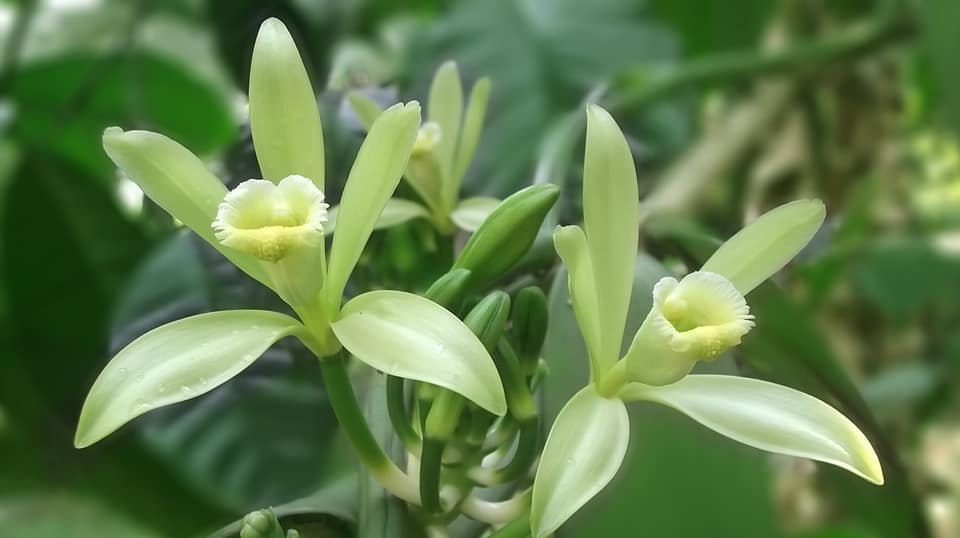
As a result, there is always a push to discover a new generation of treatments – at the moment, this now includes those that target immune system proteins called interleukins. Currently, IL-17 and IL-23 inhibitors are currently the principal targets for new treatments coming through and so researchers decided to test further previous findings that a primary component of vanilla extract, vanillin, was able to reduce psoriasis by supressing interleukins.
In particular, researchers were keen to identify whether the popular food additive would interact with the IL-17 or IL-23 proteins.
The research was based on mouse models, where mice were given varying oral doses of vanillin for a week. The mice had psoriasis induced through the topical use of imiquimod (IMQ).
The study posted its findings, as follows: “Vanillin significantly improved IMQ-induced histopathological changes of skin in a dose-dependent manner. The thickness and number of cell layers of epidermis were reduced by 29 ± 14.4 and 27.8 ± 11%, respectively, in mice given 100 mg/kg of vanillin. A microarray showed that a total of 9042 IMQ-upregulated genes were downregulated by vanillin, and the biological pathways involved in the immune system and metabolism were significantly altered by vanillin.”
In particular, the researchers noted: “The upregulated expressions of IL-23, IL-17A, and IL-17F genes were suppressed by vanillin, with fold changes of −3.07 ± 0.08, −2.06 ± 0.21, and −1.62 ± 0.21, respectively.”
As can be seen, the use of vanillin was found to supress the expression of IL-17 and IL-23 proteins, thereby having a similar effect to the new wave of psoriasis treatments that have emerged on the market.
However, the research is still at an early stage and the results would have to be scaled up to a clinical setting to see whether the results hold true within humans.
Ben Hargreaves
Related Content

Agentic commercial: how AI creates dialogue with HCPs and patients to help medicines reach them faster
By Chris Moore Commercial engagement in biopharma used to centre largely on direct conversations between …

Pharma sees climate disruption as growing supply-chain risk
Nine in ten pharmaceutical companies across the UK and G7 countries expect climate-related disruption to …

AI in pharma: From lab development to patient impact
In the decade to 2025, AI use in vaccine development has increased markedly but is …