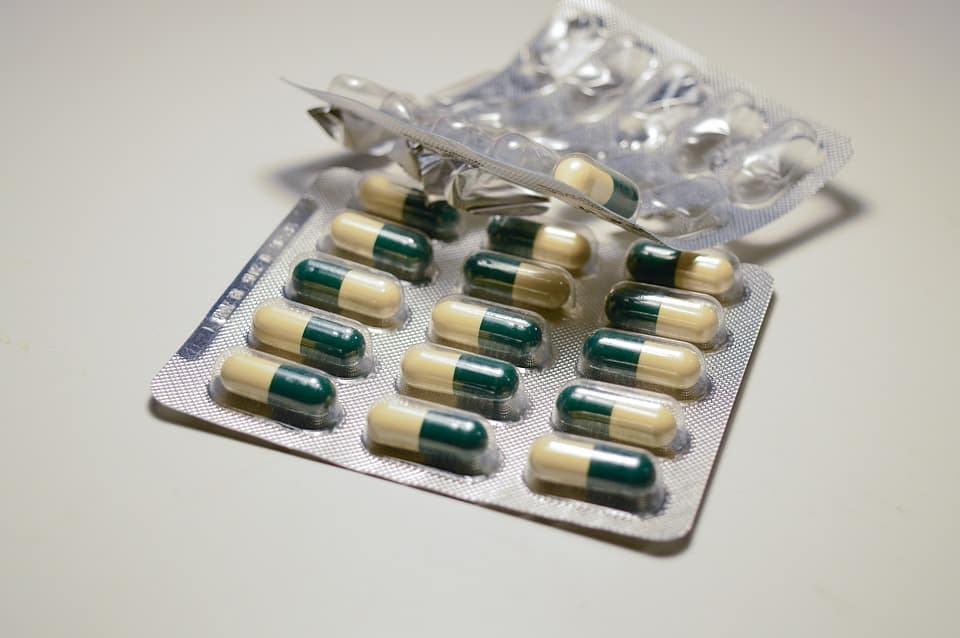
Researchers in world-first study on antibiotic use for sepsis
pharmafile | June 28, 2017 | News story | Research and Development | NHS, antibiotic, sepsis
The University of Warwick, alongside the University of Manchester, are launching a world-first study aimed at determining the length of time that patients should receive antibiotics for the treatment of sepsis. The study will use biomarkers in patient’s blood to determine when antibiotic use can be safely stopped.
The research will be funded to the tune of £1.5 million and will recruit more than 2,700 patients across 30 NHS hospitals in the UK. The funding will be provided by the National Institute for Health Research.
At present, the treatment for sepsis is to deliver potent antibiotics in dose regimens that can last between seven and ten days. However, with a growing awareness of the rising threat of antibiotic resistance, there is a growing concern that overuse of antibiotics is directly contributing to deaths related to antibiotic resistance.
Currently, 44,000 people die from sepsis in the UK and more than a quarter of cases prove to be fatal. This is complicated by the fact that there is, as yet, no recognised test for the condition.
Professor Paul Dark, Consultant in Critical Care Medicine at Salford Royal, The University of Manchester’s Professor of Critical Care Medicine and National Institute for Health Research National (NIHR) Specialty Lead in Critical Care, is leading the research. He explained the decision to test the required length of treatment with antibiotics: “Sepsis is a very dangerous condition and we have to react very quickly if it’s suspected – it is important to start treating patients as quickly as possible. But there isn’t good quality evidence on which we can base a decision to stop giving antibiotics and that means that even when patients are getting better – and some may not have had sepsis at all – we are still giving antibiotics for at least 7-10 days.”
Once the trial is complete, the hope is that more accurate guidelines for how long antibiotics should be administered will be able to be devised.
Ben Hargreaves
Related Content

NIHR chief scientific adviser visits Huddersfield health innovation campus
Professor Lucy Chappell, Chief Scientific Adviser to the Department of Health and Social Care and …

Five Facts about NHS and primary care
1 Primary care is the front door to the NHS, but it extends well beyond …

Major funding opportunity opens for early cancer diagnostics
Up to £25.4m in funding is available for collaborative projects developing technologies to improve the …