University of Toronto develops circulating tumour cell monitoring tool
pharmafile | November 22, 2016 | News story | Research and Development | University of Toronto, circulating cancer cells
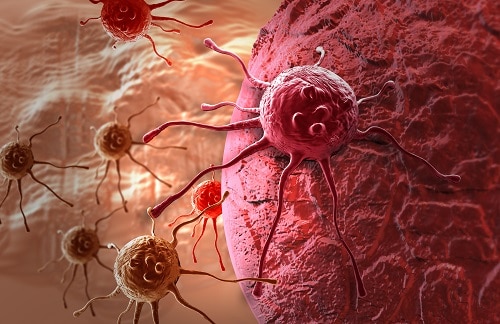
Researchers at the University of Toronto have developed a new tool which promises to enable the monitoring and profiling of circulating tumour cells (CTCs), cells released by cancerous tumours which spread to other parts of the body, and by extension track cancer progression in the body.
CTCs have proved difficult for biologists to monitor in the past; the cells can manifest in a wide range of forms and are tracking them can be a needle and haystack affair, being outnumbered by healthy cells in the bloodstream by over one billion to one.
As a solution to this, a group of researchers led by professor Shana Kelley utilised magnetic nanoparticles to identify and target CTCs in blood samples. They found that the tumour cells could by differentiated by the proteins displayed on the cell surface, and then separated based on the levels of these proteins. Cells were then divided into 100 different zones using a high-resolution microfluidic device and profiled according to metastatic potential.
Once able to build this phenotypic info base, Kelley and her researchers used the approach to monitor CTCs in animal models and prostate cancer patients samples and found that the cells became more aggressive as tumours became more advanced. The research allows for the collection of a “liquid biopsy” which allows clinicians to track the progression of cancers.
“Through this approach, we aimed to provide a new way to profile CTCs beyond simply counting their numbers in clinical samples,” explained lead author Mahla Poudineh. “Instead, we wanted to provide phentotypic information that might allow these cells to be classified as benign or more dangerous, which would then inform treatment options.”
The Kelley group are now collaborating with the Sargent Group research lab to apply these findings into a clinical CTC analysis device which could help medical professionals more accurately monitor and inhibit its progression.
Matt Fellows