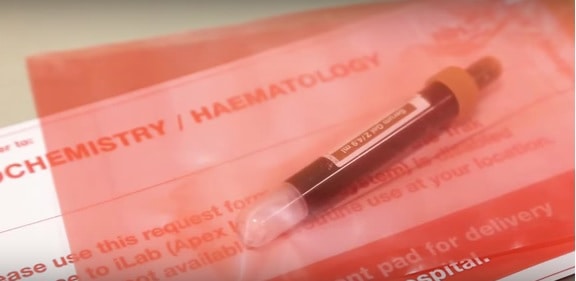
Simple blood test can accurately predict imminent heart attacks
pharmafile | October 8, 2015 | News story | Research and Development | NHS, heart attack
A simple blood test which predicts whether a patient suffering chest pains will have a heart attack has the potential to save the NHS millions and prevent hundreds of thousands of unnecessary hospital admissions, according to a new report published in the Lancet Medical Journal.
The test measures a protein called troponin in the patient’s blood, with low levels indicating they are at “very low risk” of an attack in the next month. The troponin chemical is released by damaged heart muscle, and is an effective indicator of risk of an attack.
Research from scientists at the University of Edinburgh says troponin testing could rule out a heart attack diagnosis in nearly two thirds of people at accident and emergency (A&E) departments, meaning they could be sent home if there is no danger of heart attack, potentially saving the health service millions of pounds.
There are around 188,000 heart attacks in the UK each year, yet about one million people each year are taken to emergency departments after experiencing chest pains near their heart. According to the report’s lead author, Dr Anoop Shah, this figure has tripled in the last 20 years.
The study, funded by the British Heart Foundation (BHF), measured troponin levels in over 6,000 patients at four hospitals in Scotland and the US, and discovered 61% of those tested had a troponin concentration of less than five nanograms per decilitre – equating to a 99.6% likelihood that risk of a heart attack was minimal.
Professor Jeremy Pearson, the BHF’s associate medical director, said the results of the study would likely be used “to shape national and international clinical guidelines on the early rule-out of heart attacks”, and “impact on how the majority of patients presenting with chest pain are managed in A&E, influencing future healthcare service provision and patient care.”
Professor Pearson adds: “A faster, more accurate diagnosis of whether chest pain is caused by a heart attack would be better for patients and save the NHS money. We want to ensure no heart attack diagnosis is missed but we equally don’t want to see people go through unnecessary tests and spend extended periods in hospital unless it is essential. No-one wants to be in hospital unless they have to be.
“What’s important about this study is that the evidence shows you can quickly and confidently rule out a heart attack without compromising patient safety.”
Joel Levy
Related Content

Five Facts about NHS and primary care
1 Primary care is the front door to the NHS, but it extends well beyond …

Major funding opportunity opens for early cancer diagnostics
Up to £25.4m in funding is available for collaborative projects developing technologies to improve the …

Scots neonatal innovations target hearing loss and earlier care
Scottish healthcare teams are introducing a range of innovations aimed at improving outcomes for newborns, …