Researchers hit out at ‘alarming’ increase in MS drug costs
pharmafile | April 27, 2015 | News story | Manufacturing and Production, Research and Development, Sales and Marketing |
Researchers have hit out at the ‘alarming’ rise in the costs of disease-modifying treatments for multiple sclerosis, in a new study that shows even the oldest drugs have increased in price six-fold.
They say there is an ‘urgent need’ for clinicians, payers and manufacturers to ‘confront the soaring costs’ of disease-modifying treatments (DMTs) for the disease.
Between 2008 and 2012, sales of the 12 FDA-approved MS treatments available in the US have more than doubled, from $4 billion to nearly $9 billion annually. And the cost of even the oldest drugs, interferon, has far out-stripped the costs of other drugs, the study found.
The researchers, from Oregon State University, estimated acquisition costs using average wholesale prices published by First DataBank, and factored in a discount of 12% – the average discount applied to state-funded pharmacies and healthcare programmes. They then worked out the effective percentage increase in annual costs, and compared this to inflationary changes in the consumer price index.
In the US first-generation drugs like interferons and Copaxone (glatiramer acetate) were introduced with annual acquisition costs between $8,292 and $11,532. Over subsequent decades, costs for these DMTs rose on average 21% – 36% annually. By 2013 the acquisition cost of interferon-b -1b, the oldest DMT on the market, reached $61,529 a year, roughly six times higher, with similar rates of increase seen for IFN-b-1a IM and Copaxone similar. Prices are generally lower in the UK.
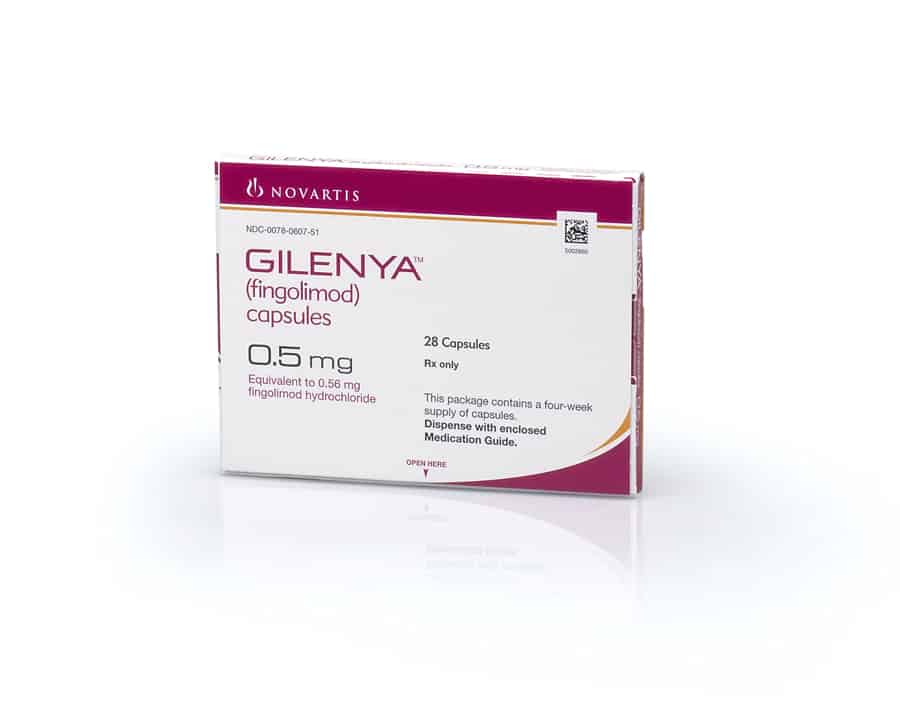
The prices of more recently approved biologics Gilenya (fingolimod), Genzyme’s Aubagio (teriflunomide) and Biogen’s Tecfidera (dimethyl fumarate) have increased 8% –17% annually since their approval. The steepest increase was seen for Aubagio, which increased from $47,651 on approval to $57,553 in 2013.
In contrast, general and prescription drug inflation only increased 3%–5% per year during the same period. The costs of MS DMTs ‘have accelerated at rates well beyond inflation’ and ‘substantially above’ rates for other biologic drugs and rates in other countries – suggesting it is not linked to increases in manufacturing costs or other changes out of the control of companies.
The researchers suggest the lack of a national America health system to negotiate prices with the pharma industry, and a lack of competition from generics and biosimilars, could play a role.
Although the reason is uncertain, the impact is having “a cascade of negative effects upon patients with MS”, the researchers argue, and in the US health insurers are denying patients coverage “much more frequently now than in years past”.
Dr Daniel Hartung, lead author of the study and associate professor in the Oregon State University College of Pharmacy concludes: “The success of the pharmaceutical industry in bringing new therapies to market for the treatment of MS has improved the care of people with MS. However, the unbridled rise in the cost of MS drugs has resulted in large profit margins and the creation of an industry “too big to fail”.
“It is time for neurologists to begin a conversation about unsustainable and suffocating drug costs for people with MS — otherwise we are failing our patients and society.”
Lilian Anekwe