NICE ‘yes’ for cancer drugs
pharmafile | July 23, 2014 | News story | Sales and Marketing | Astellas, BMS, Cancer, NICE, Xtandi, Yervoy
Two big-name oncology brands, Bristol-Myers Squibb’s Yervoy and Astellas Pharma’s Xtandi, have been given the nod by drug costs watchdog NICE – although they will provide the drugs at a reduced price.
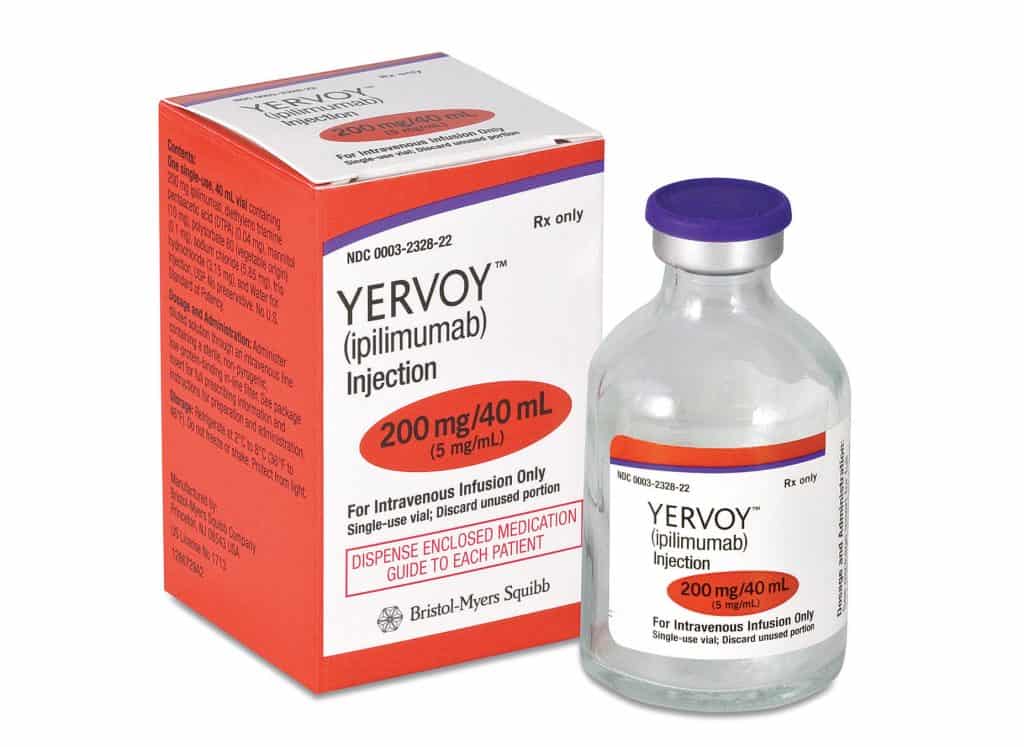
The body has recommended that Yervoy (ipilimumab) should be available as a first-line treatment on the NHS for patients with advanced malignant melanoma when the full tumour cannot be removed, or the cancer has spread.
The decision follows a recommendation that the medicine should be promoted from second-line in this skin cancer indication last month.
BMS has pushed hard on immuno-oncology in recent years, and Yervoy has seen blockbuster sales status since its 2011 launch.
It is a victory for the company, since NICE’s preliminary draft guidance in February was negative, suggesting that Yervoy should only be used on the NHS for previously-untreated patients who are in clinical trials “to ensure that evidence for its clinical effectiveness continues to be collected”.
The problem – now evidently resolved – was that BMS’s data assessed Yervoy 10 mg/kg plus chemotherapy agent dacarbazine, and not its licensed dose (four doses of Yervoy 3 mg/kg alone over 12 weeks).
Johanna Mercier, general manager at Bristol-Myers Squibb UK & Ireland, tells Pharmafile: “As an immuno-oncology therapy, ipilimumab offers an important treatment option for patients with advanced melanoma.
“Bristol-Myers Squibb is pleased with the decision by NICE and with its resolve to work with us to address this significant unmet medical need in the UK. We remain focused on further improving outcomes in melanoma and are committed to continuing to lead advances in immuno-oncology, with a goal of changing survival expectations and the way patients live with cancer.”
Xtandi
In separate guidance, NICE says Xtandi (enzalutamide) should be used for people with metastatic prostate cancer who have been treated with docetaxel.
“Both cancer treatments are recommended on the basis that the manufacturers provide them to the NHS with a patient access scheme, where there is a discount on the price of the drug,” explains Carole Longson, centre for health technology evaluation director at NICE.
“We are also very pleased that the manufacturers have worked with us to provide more evidence so that we are able to recommend both treatments,” she adds.
Astellas had been ‘surprised and disappointed’ that in previous guidance NICE said Xtandi should only be open to patients who have not received abiraterone.
But NICE removed those restrictions in final draft guidance in May, and it now means sufferers should get a few more months of life.
“Enzalutamide works in a different way to the other options currently available for treating prostate cancer,” says Longson. “As there are few treatments available for patients at this stage of prostate cancer, this is really good news for patients.”
Adam Hill
Related Content

NICE backs atogepant for acute migraine treatment
NICE has issued Final Draft Guidance recommending AbbVie’s AQUIPTA (atogepant) as an option for the …

NICE recommends sotatercept for pulmonary arterial hypertension
The National Institute for Health and Care Excellence (NICE) has recommended Winrevair (sotatercept) as a …

BMS’ Opdivo/Yervoy combination accepted by Scottish Medicines Consortium for colorectal cancer
Bristol Myers Squibb (BMS) has announced that its Opdivo (nivolumab) has been accepted, in combination …