NICE recommends Aubagio
pharmafile | January 22, 2014 | News story | Sales and Marketing | Aubagio, EU, FDA, NICE, Sanofi, gilenya
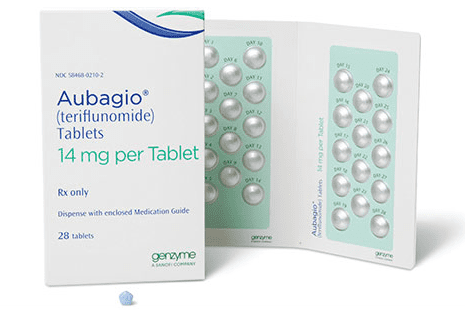
NICE has recommended Genzyme’s multiple sclerosis pill Aubagio for use on the NHS.
In final guidance the watchdog said Aubagio (teriflunomide) should be an option for adults with relapsing-remitting MS, the most common form of this chronic neurological condition.
The drug has been approved in the US and the European Union, and analysts on average expect Aubagio sales to reach $854 million by 2018.
The NICE news follows the FDA delaying approval of another of Genzyme’s MS treatments, Lemtrada (alemtuzumab), on the grounds that the drug had not been able to show that its benefits outweighed its ‘serious adverse effects’.
In a blow to the company, the FDA last month told Sanofi that it must carry out further clinical trials using different designs and methods prior to approval.
Aubagio did not have an easy ride with NICE: last year the watchdog called for more data on the drug in draft guidance, particularly regarding financial details.
Genzyme has agreed to a patient access scheme: at list price it would cost £13,529 per patient per year but the discount has not been revealed.
Part of the problem was uncertainty over the most plausible ICER, with Genzyme required to do more analysis on the evidence it presented, such as revising figures by using ‘all years’ mixed treatment comparison data adjusted for baseline annualised relapse rates.
It was also asked for figures which include the waning of treatment effect, with 75% treatment effect after two years and 50% after five years – and has satisfied NICE with its answers.
The treatment faces stiff competition from Biogen Idec’s MS pill Tecfidera (dimethyl fumarate), which has been recommended in the EU and approved by the FDA.
Tecfidera is still the only known drug to have demonstrated activation of the Nrf-2 pathway, which provides a way for cells to defend themselves against the inflammation caused by the chronic, disabling disease.
Injectable therapies such as Biogen’s existing Avonex and Merck Serono’s Rebif still make up the majority of the MS therapy area, although this is changing.
“Current treatments all need to be injected, and can be associated with unpleasant side effects,” said Professor Carole Longson, NICE Health Technology Evaluation Centre director.
“As an oral treatment with a different side-effect profile, teriflunomide offers a new option for treating relapsing-remitting MS, which could have a substantial impact on quality of life,” she added.
Nick Rijke, director for policy & research at the MS Society, said: “We’ve been waiting a long time for a tablet to be available for early stage MS, so this is excellent news.”
Patients would be ‘delighted’ to have the option of a tablet rather than regular injections, he concluded.
Other oral competitors for Aubagio include Novartis’ Gilenya (fingolimod) – the first once-daily tablet approved to treat relapsing forms of MS – with two large Phase III studies suggesting Gilenya has a positive effect on relapses and MRI outcomes if used early.
Adam Hill
Related Content

EndoCyclic New Drug application approved by US FDA for endometriosis treatment
EndoCyclic Therapeutics’ Investigational New Drug (IND) application for its lead programme, ENDO-205, has been approved …

Digital mental health technologies – a valuable tool in supporting people with depression and anxiety
The potential benefits of digital mental health technology for managing depression, anxiety and stress, together …

MRM Health’s ulcerative colitis treatment receives FDA Investigational New Drug clearance
Microbial Resource Management (MRM) Health has announced that its lead programme, MH002, has received Investigational …