Patients should ‘top up’ NHS costs
pharmafile | October 16, 2013 | News story | Sales and Marketing | Dixon, England, NHS, NICE, top up
A leading doctor believes that NHS patients must produce top up payments for treatments for non-life threatening conditions.
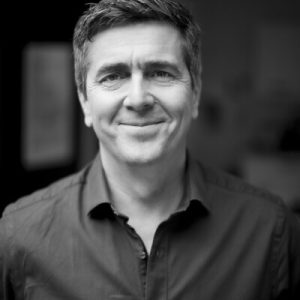
Speaking at the Westminster Health Forum meeting this week, Dr Michael Dixon, president of the NHS Clinical Commissioners and chairman of the NHS Alliance, said that these types of charges had to be considered.
“We need to start discussing the real taboo subject of the NHS, which is co-payment,” he said. “No one wants to discuss it but it is already happening. Patients pay for parking, the television sets on the wards and if you want to see an osteopath, you have to pay yourself. The very wealthy are doing it already by accessing the NHS when it suits them and going private when they don’t.”
Dixon talked specifically about the idea of ‘extras’ – such as better food, more comfortable beds, or treatments including IVF – all of which could be charged for.
This comes at a time when the health service is facing a £30 billion funding gap by 2020 due to an ageing population and the rising cost of new treatments.
The so-called ‘Nicholson Challenge’, named after the outgoing head of NHS England Sir David Nicholson, is also demanding £20 billion worth of savings between 2009 and 2015, meaning NHS budgets are being further squeezed.
The coalition government is also only allowing a mere 0.1% rise in the £106 billion budget each year of the current Parliament.
With all this factored in there is less money to go around, but the idea of co-payments remains controversial given the NHS’ ethos that “care will be based on clinical need, not ability to pay”.
Dixon went on: “If the NHS gets squeezed, it will need to make as much income as it can but, for my money, it must never, never, never allow an NHS patient to live, die or go bankrupt depending upon how much he or she can pay.”
Dixon suggested: “If someone wanted a surgical procedure or medicine that didn’t have a proven benefit they could pay for that and also for someone else to have another treatment.
“Things like car parking or television sets are fairly easy, then on the edge of that, what about dining-room extras like food, or more comfortable beds? I don’t think we should be too afraid of this discussion because the alternative is rationing where no one can have it.”
He concluded: “It’s about being inventive in how we create income in the health service so that we can get more resources to look after patients, and don’t continue going back to taxpayers saying ‘can you give us more’?”
For pharma the idea of co-payments is a positive one: NICE regularly knocks back drugs it says are too expensive, but if a culture of top ups were to be introduced into the NHS, this could limit the impact of the NICE barrier.
Ben Adams
Related Content
Under-Secretary of State for Health Innovation and Safety visits new building on University of Huddersfield’s NHIC
Dr Zubir Ahmed MP, the Under-Secretary of State for Health Innovation and Safety, has visited …

Digital mental health technologies – a valuable tool in supporting people with depression and anxiety
The potential benefits of digital mental health technology for managing depression, anxiety and stress, together …

A community-first future: which pathways will get us there?
In the final Gateway to Local Adoption article of 2025, Visions4Health caught up with Julian …