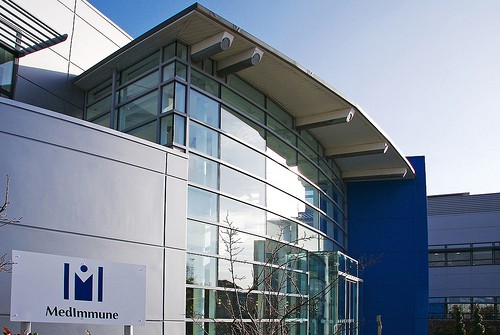
MedImmune signs diabetes deal
pharmafile | June 18, 2013 | News story | Research and Development, Sales and Marketing | AstraZeneca, MedImmune, diabetes
AstraZeneca R&D subsidiary MedImmune has signed a deal with privately-owned San Francisco-based NGM Biopharmaceuticals to discover novel therapeutics to treat type 2 diabetes and obesity.
MedImmune will concentrate on NGM’s enteroendocrine cell (EEC) programme, finding hormones which the companies believe could provide first-in-class peptide and antibody drug candidates offering a new treatment option in managing glucose.
While EECs account for under 1% of all gastrointestinal (GI) cells, they produce almost all known GI hormones – including GLP-1, the hormone which helps to regulate insulin and glucose and is therefore vital in diabetes.
“EECs are an underexplored source of novel hormones that could play a major role in the positive and negative regulation of metabolism and glucose homeostasis,” the firms said in a statement.
MedImmune is paying NGM an undisclosed amount up front, will provide research funding – and NGM will be eligible to receive various development and regulatory milestone payments as well as royalties.
What has persuaded them that they have a chance of going further down this road is that NGM has established a proprietary platform which can isolate and analyse EECs to identify novel secreted peptide hormones.
“We believe that hormones found in the gastrointestinal tract can play an important role in resolving diabetes after bariatric surgery,” said Cristina Rondinone, MedImmune’s Cardiovascular and Metabolic Disease Innovative Medicines Unit head.
Bariatric, or weight-loss, surgery tends to be used as a last resort in patients who are dangerously obese after other approaches such as diet and exercise have been eliminated.
“Through NGM’s innovative research in metabolic disease, we believe our collaboration could lead to potential innovative medicines for diabetes and obesity that will make a difference in patients’ lives,” Rondinone went on.
The idea is that since the hormones could be linked to the profound metabolic effects of bariatric surgery, they are possible targets for the treatment of metabolic diseases.
MedImmune and NGM will jointly advance candidates based on the EEC hormones, with the AstraZeneca arm having the option to licence them, and having responsibility for the development, manufacture and commercialisation of any compounds worldwide.
“We are excited to enter into this strategic partnership with MedImmune as it represents a unique opportunity to maximise the full complement of novel hormones secreted by these EECs for drug discovery purposes,” said Jin-Long Chen, founder, president and chief scientific officer of NGM.
Founded in 2008, NGM focuses on biologics for diabetes, obesity and other cardio-metabolic diseases, and has collaborations with other pharma companies including Daiichi-Sankyo and Janssen Pharmaceuticals.
Cardiovascular and metabolic disease is a core therapy area for AstraZeneca as part of its recent global R&D restructure.
Earlier this year MedImmune bought private US biotech firm AlphaCore, whose main asset is ACP-501, a recombinant human lecithin-cholesterol acyltransferase (LCAT) enzyme.
LCAT is thought to be a major influence in driving the removal of cholesterol from the body, which means it could be important in managing HDL or ‘good’ cholesterol.
Adam Hill
Related Content

Study to examine ways of improving diabetes care for younger adults
Researchers at Northumbria University are leading a £1.3m study aimed at helping GP practices improve …

NICE recommends Benralizumab for Rare Form of Vasculitis
The National Institute for Health and Care Excellence (NICE) has recommended AstraZeneca’s benralizumab (Fasenra) as …

NICE approves AstraZeneca’s dual immunotherapy for advanced liver cancer
AstraZeneca has received a positive recommendation from the National Institute for Health and Care Excellence …