Novartis’ MS drug improves outcomes
pharmafile | October 15, 2012 | News story | Sales and Marketing | MS, Novartis, gilenya
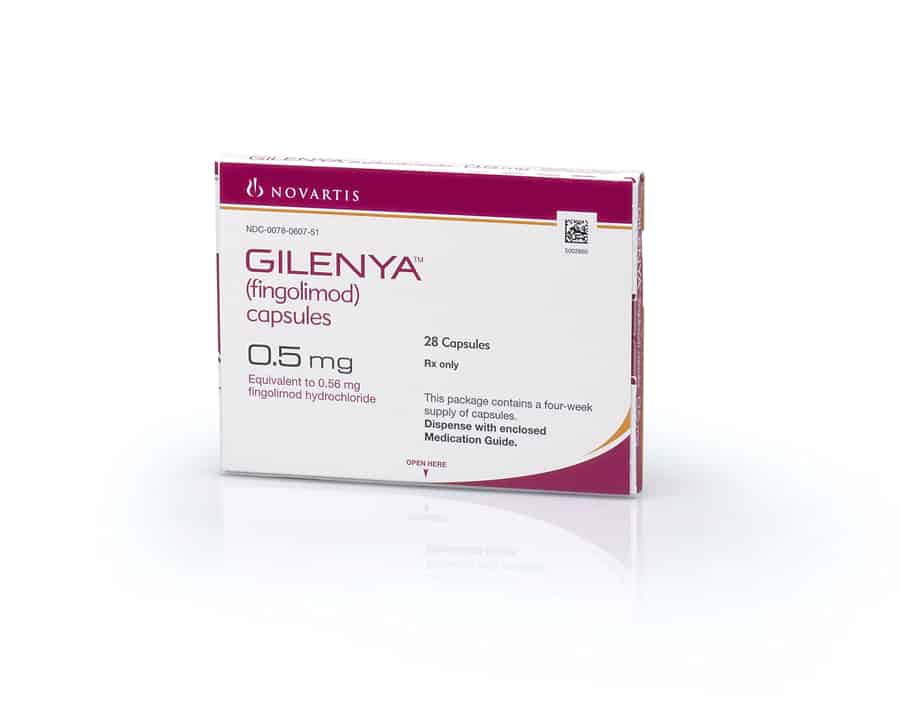
Novartis’ multiple sclerosis (MS) drug Gilenya has demonstrated what the manufacturer calls ‘significant’ benefits for patients if used early.
Results from two large Phase III studies suggest Gilenya (fingolimod) – the first once-daily oral therapy approved to treat relapsing forms of MS – has a positive effect on relapses and MRI outcomes.
The post hoc analysis of the FREEDOMS and FREEDOMS II studies showed Gilenya 0.5 mg demonstrated effects on relapse-related outcomes within the first three months, and on brain volume loss by six months compared to placebo.
There was a ‘significant’ (p<0.05) Gilenya treatment effect on time to first confirmed relapse within three months in both trials, with the differences ‘persistently significant’ by Day 82 in FREEDOMS and Day 64 in FREEDOMS II.
FREEDOMS patients also had on average 35% reduction in brain volume loss (the figure was 39% in FREEDOMS II) compared with placebo at the first MRI evaluation after six months of treatment.
Such positive analysis is good news for the drug: in May the FDA ruled it should stay on the market, but added new warnings after a patient died soon after taking it last year.
There were concerns that Gilenya can dramatically reduce a patient’s heart rate within 24 hours of taking the drug, and that this could have caused the death in November.
But Novartis is keen to stress that, as of August this year, more than 49,000 patients have been treated with Gilenya in clinical trials and in the post-marketing setting, with safety ‘generally consistent’ with previous results.
Injectable therapies such as Biogen’s Avonex and Merck Serono’s Rebif still make up the majority of the MS market but this is changing: competitors in pill form include Genzyme’s Aubagio (teriflunomide), which received approval from the FDA last month.
Novartis also insists that data shows generally higher adherence rates for Gilenya than injectable disease modifying treatments (DMTs).
Another analysis of time-to-discontinuation of therapy among MS patients shows Gilenya-treated patients were less likely to stop over the 12-month observation period (Gilenya: 27.8%, other DMT cohorts: 42.7-54.5%; p<0.01).
The firm says new data will be presented at the 28th congress of the European Committee for Treatment and Research in Multiple Sclerosis (ECTRIMS).
“Growing real-world experience reinforces Gilenya’s high efficacy and long-term safety profile,” said David Epstein, head of the pharmaceuticals division at Novartis Pharma.
Adam Hill
Related Content

Scotland starts newborn screening for SMA
As part of a two-year evaluation funded by the Scottish government and Novartis, Scotland will …

Novartis receives SMC approval for early breast cancer treatment
Novartis has announced that its treatment for early breast cancer, Kisqali (ribociclib), has received approval …

Novartis candidate for Sjögren’s disease presents positive results
Novartis has reported positive results from two phase 3 clinical trials – NEPTUNUS-1 and NEPTUNUS-2 …