NICE does Lucentis U-turn
pharmafile | October 5, 2012 | News story | Sales and Marketing | Lucentis, NICE, Novartis, Roche, avastin
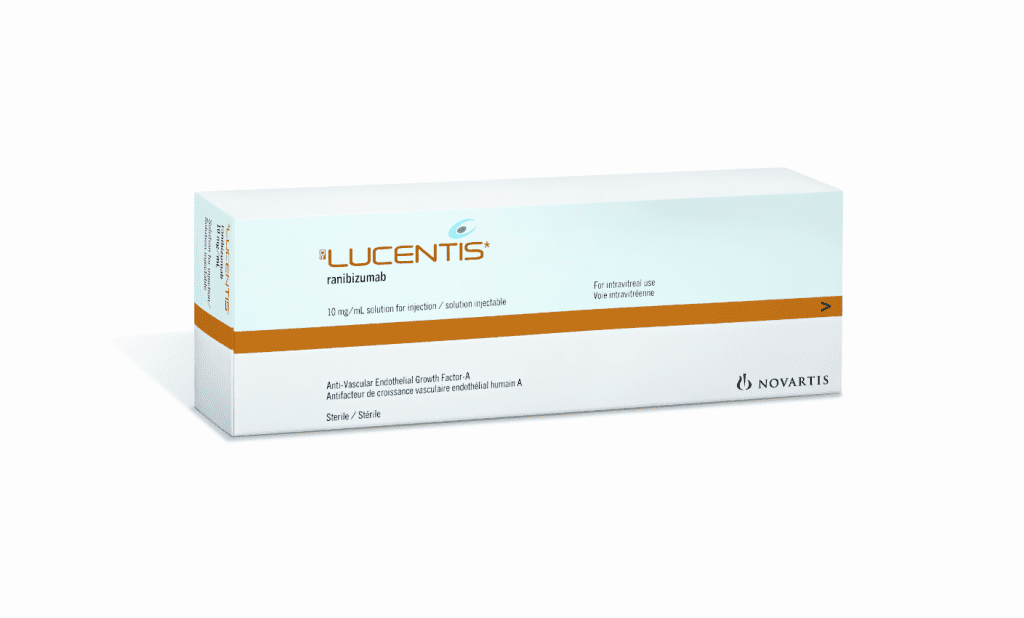
NICE has done a U-turn over its previous verdict on Novartis’ Lucentis, now recommending the drug in draft guidance to treat patients who suffer from visual impairment caused by diabetic macular oedema (DMO).
In November last year the cost effectiveness watchdog declined to give the drug a green light in this indication, but Novartis has since come up with a new patient access scheme.
This lowers the cost of Lucentis (ranibizumab) from £742.17 per injection, although neither party is giving details of the saving on the grounds of commercial confidentiality.
Cost has been a thorn in Novartis’ side when it comes to NHS use of Lucentis: a dispute with the Southampton, Hampshire, Isle of Wight and Portsmouth Cluster on the use of a rival has only just been resolved.
Last year the cluster made Roche’s Avastin available to patients with wet AMD because it was cheaper than Lucentis, even though Avastin is not approved.
Lucentis is the only licensed and NICE-approved drug for that common eye condition, which means NICE’s new draft guidance on DMO reinforces its position.
As well as the price cut, NICE’s opinion appears to have been swung by Novartis’ new data on Lucentis’ effect among a sub-group of people with DMO.
“Following the submission of a revised patient access scheme, we have conducted a rapid review of the original guidance,” explained Professor Carole Longson, Health Technology Evaluation Centre director at NICE.
“The manufacturer included updated analyses showing that ranibizumab could be expected to have a superior relative effect among people with central retinal thickness greater than 400 micrometres,” she added.
This means that Lucentis is only recommended in DMO where central retinal thickness is 400 micrometres or more and provided, of course, that Novartis comes up with the agreed discount.
The drug is injected into the eye and works by preventing the production of VEGF. Final guidance is expected to be published next February.
Adam Hill
Related Content

NICE recommends allergy immunotherapy tablets for younger children
NICE has recommended two sublingual immunotherapy tablets for children with moderate to severe allergic rhinitis …

Roche secures CE Mark for automated latent tuberculosis blood test
Roche has received CE Mark approval for its Elecsys IGRA TB test, an automated blood …

NICE backs atogepant for acute migraine treatment
NICE has issued Final Draft Guidance recommending AbbVie’s AQUIPTA (atogepant) as an option for the …