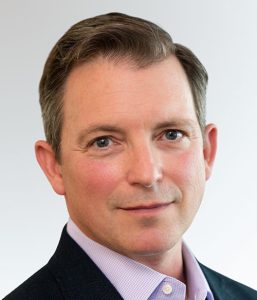
Witty hits out at ‘systematic delays’ to medicines
pharmafile | February 27, 2012 | News story | Sales and Marketing | Europe, GSK, NICE, austerity
GlaxoSmithKline’s chief executive says Europe’s drug budget cuts are undermining the industry and not addressing the biggest cost pressure in healthcare.
In an outspoken interview with the BBC, Sir Andrew Witty said in the UK in particular cancer drugs were being ‘systematically delayed’ from introduction and reimbursement.
Sir Andrew says the last few years has seen price cuts of around 5% across Europe, which means a loss of annual revenue for his company of about 300 million pounds.
Most worrying was the decision to delay introduction of new medicines, which meant that ‘strategic thoughtfulness’ was being lost in the ‘stampede’ to cut costs, said Witty.
UK health ministers have rejected Witty’s claims, but the attack by the newly ennobled Sir Andrew is embarrassing for David Cameron’s government, which has named the life sciences sector as a key driver for future economic growth.
Witty added: “We’re seeing oncology drugs being systematically delayed from introduction and reimbursement.
“We’re seeing a variety of the more innovative, and yes more expensive medicines, being delayed in a whole series of different diseases across Europe.
“Ultimately it’s one of those situations where the drift will be imperceptibly happening, but when you look back in five or 10 years, a huge gap will have opened up.”
The UK’s cost effectiveness in health watchdog NICE has rejected several GSK drugs in the last 12 months, including breast cancer treatment Tyverb and lupus treatment Benlysta.
Reiterating his point about the relatively small proportion of budgets spent on medicines, Witty put it starkly:
“You could shut down the entire European drug industry, you could have every drug for free – you’d still have 90% of the problem you started with.”
The Department of Health has replied by saying the government has increased spending on health, including new drugs, with thousands more patients getting access to the most advanced treatments.
“The need for careful assessment of drugs’ effectiveness by NICE is particularly important for patients and taxpayers during a time of economic austerity,” it said.
Witty’s remarks come at a delicate time for the future of drug pricing in the UK, with the government expected to introduce an entirely new Value-Based Pricing (VBP) system in 2014.
The DH added that the government had not changed its assessment processes for cancer drugs, and noted: “Furthemore, drug companies need to look hard at the high costs they are asking of the health service for their latest treatments.”
The public exchange of words is unlikely to go any further, but makes it clear that initiatives like England’s Cancer Drugs Fund – which provides money for cancer medicines rejected or not yet reviewed by NICE – are not considered the full answer by Sir Andrew.
The UK pharma industry association the ABPI is also about to launch a comprehensive survey of its members to gauge the level of support for the government’s VBP plans. Early signals suggest there is considerable doubt about the new system’s ability to reward innovative drugs, and suspicion that it could allow for greater cost cutting and limiting of market access.
Andrew McConaghie
Related Content

Digital mental health technologies – a valuable tool in supporting people with depression and anxiety
The potential benefits of digital mental health technology for managing depression, anxiety and stress, together …

GSK’s Exdensur receives MHRA approval for asthma and rhinosinusitis
GSK’s Exdensur (depemokimab), a twice-yearly biological medicine, has received approval from the UK Medicines and …

Combination treatments: Takeda’s Implementation Framework and the broader landscape
Pharmafile talks to Emma Roffe, Oncology Country Head (UK & Ireland) about the combination treatment …