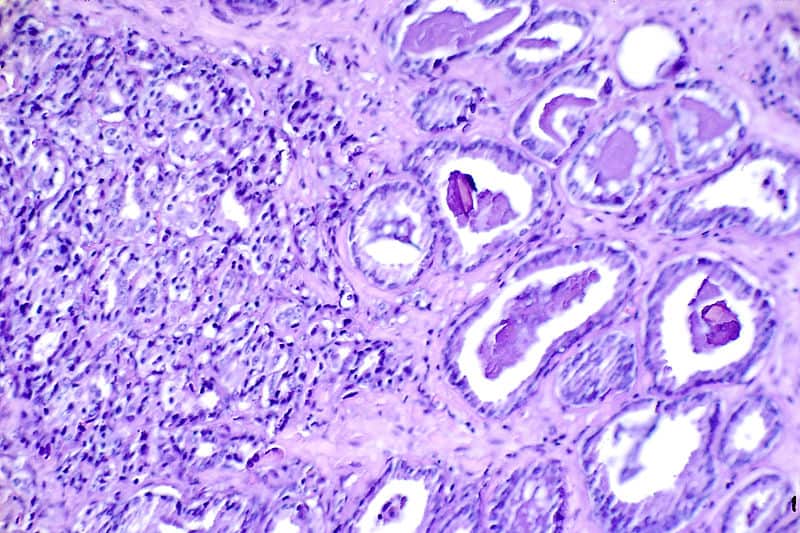
Almost 40% of UK prostate cancer cases are diagnosed late, according to report
pharmafile | April 9, 2018 | News story | Medical Communications, Research and Development, Sales and Marketing | Cancer, UK, pharma, prostate cancer
A report conducted by charity Orchid has revealed a “worrying trend” in the treatment of prostate cancer, indicating that as many as four in ten cases are diagnosed late, when the disease has already reached stage three or four.
The findings follow the news in February that a drop in breast cancer mortality rates had led to prostate cancer overtaking the disease in terms of total UK deaths for the first time.
According to the report, which drew data from institutions including NHS England, the National Prostate Cancer Audit and a number of charities, 42% of prostate cancer patients met with their GP at least two times before they were referred – 6% of patients had five or more meetings prior to referral.
“With prostate cancer due to be the most prevalent cancer in the UK within the next 12 years, we are facing a potential crisis in terms of diagnostics, treatment and patient care. Urgent action needs to be taken now,” said Orchid Chief Executive Rebecca Porta.
The report also noted that a quarter of all prostate cancer cases were diagnosed in A&E.
“25% of prostate cancer cases in the UK are diagnosed at an advanced stage,” explained Professor Frank Chinegwundoh at Bart’s Health NHS Trust. “This compares to just 8% in the US where there is greater public awareness of prostate cancer and greater screening.”
Professor Anne Mackie, Director of Programmes for the UK National Screening Committee, criticised the PSA test, which is available on request to males over 50 and can be used to screen for a number of prostate issues including cancer, arguing that the test is used disproportionately by “more highly educated men in more affluent areas”.
“It will miss some cancers and often those cancers that are picked up when using the PSA test are not harmful,” she added. The report echoed these concerns, calling for the development of better testing methods.
Matt Fellows
Related Content

Blue Earth announces first UK patient received prostate cancer injection
Blue Earth Therapeutics, a clinical-stage company specialising in targeted radiotherapeutics, has announced that the first …
LGC Group opens $100M Organic Chemistry Synthesis Centre of Excellence
LGC Group, a life sciences company, has opened its new Organic Chemistry Synthesis Centre of …

Central nervous system cancer metastases – the evolution of diagnostics and treatment
The current forms of immunotherapy, how T cell therapy works and what the future holds